


Laser Cleaning Machine for Sale: How to Choose the Right System for Your Cleaning Needs
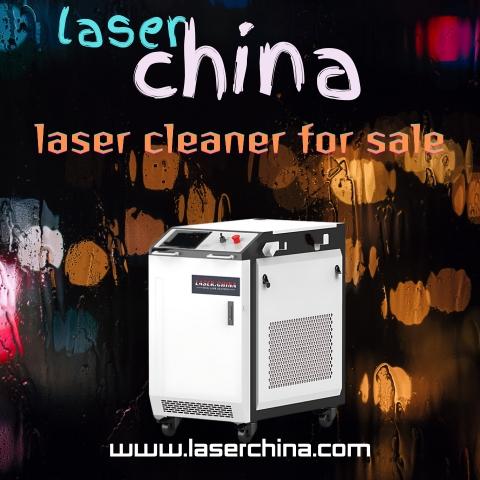
Industrial cleaning has changed significantly with the development of laser technology. Traditional methods such as abrasive blasting, chemical treatment, grinding, and manual scraping can require considerable preparation, consumables, and cleanup. Laser cleaning provides another approach by using concentrated laser energy to remove unwanted materials from a surface while helping preserve the underlying substrate.
When searching for a laser cleaning machine for sale, it is important to look beyond the machine's price. The appropriate system depends on the material being cleaned, the type of contamination, the required cleaning speed, the working environment, and the production volume. Understanding these factors makes it easier to select equipment that matches practical workshop or industrial requirements.
What Is a Laser Cleaning Machine?
A laser cleaning machine is an industrial system designed to remove contaminants from surfaces using controlled laser energy. Depending on the application, the laser can target rust, paint, oil, oxide layers, dirt, coatings, and other unwanted materials.
During cleaning, the laser beam is directed toward the contaminated area. The unwanted layer absorbs the energy and is removed from the surface, while the machine can be adjusted according to the material and cleaning requirement. This controlled process makes laser cleaning suitable for many metalworking and maintenance applications.
Different machines are available for different workloads. Compact systems may be suitable for workshops and maintenance tasks, while higher-powered equipment can be used for larger industrial components and continuous production environments.
Where Is Laser Cleaning Used?
Laser cleaning technology can be applied across numerous industries. Metal fabrication companies use it to prepare surfaces before welding, painting, coating, or other manufacturing processes. Automotive workshops can use laser systems for removing rust, paint, and contaminants from selected components.
Manufacturing plants may also use laser cleaning for machinery maintenance and surface preparation. In shipbuilding, construction, railway maintenance, and general metalworking, laser systems can help restore metal surfaces and remove unwanted layers.
The exact application determines the appropriate laser power, cleaning mode, scanning configuration, and machine design. For this reason, buyers should identify their primary cleaning tasks before purchasing equipment.
Choosing the Appropriate Laser Power
Laser power is one of the most important considerations when looking for a laser cleaning machine for sale. Machines are available in different power levels, and each range can serve different applications.
Lower-power equipment can be appropriate for light surface contamination, delicate cleaning tasks, small components, and occasional workshop use. Medium-power machines are often considered for regular rust, paint, oxide, and coating removal.
Higher-power systems are generally intended for demanding industrial applications where larger surfaces need to be processed efficiently. However, higher power does not automatically mean that a machine is appropriate for every task. Excessive energy can be unsuitable for certain materials or precision applications.
Buyers should therefore match the laser power with the thickness and type of contamination, substrate material, required cleaning rate, and working distance.
Continuous and Pulsed Laser Cleaning
Laser cleaning systems can use different operating technologies, including continuous-wave and pulsed laser sources.
Continuous-wave systems deliver laser energy continuously and can be useful for applications where higher processing productivity is required. They may be considered for large-area cleaning and demanding industrial work.
Pulsed laser systems deliver energy in controlled pulses. This operating method can provide greater control for applications requiring precision and careful treatment of the substrate.
The right choice depends on the cleaning material and production requirements. Before purchasing, it is useful to discuss the intended application with the equipment supplier and, where possible, test representative workpieces.
Handheld and Automated Systems
A laser cleaning machine for sale may be offered as a handheld system or as part of a more automated cleaning setup.
Handheld machines allow operators to move the cleaning head across irregular components and different working areas. They can be practical for maintenance, fabrication workshops, machinery restoration, and components with varying shapes.
Automated systems can be integrated into production lines or specialized workstations. Automation may be appropriate when the same cleaning process needs to be repeated across a large number of components.
The choice between handheld and automated equipment should be based on production volume, component geometry, available workspace, and the level of process control required.
Cleaning Rust From Metal Surfaces
Rust removal is one of the most recognized applications of laser cleaning. Rust develops when metal reacts with environmental moisture and oxygen, creating an unwanted layer that can affect appearance and surface condition.
A laser cleaning system can be adjusted to target the rust layer while limiting unnecessary treatment of the underlying metal. This makes the technology useful for restoration and maintenance work involving steel, iron, and other suitable metals.
Before starting a large project, operators should determine the appropriate settings for the specific substrate and contamination. Test cleaning can help establish suitable parameters.
Removing Paint and Coatings
Paint removal can be another important application. Industrial components may need old coatings removed before repainting, repair, welding, or inspection.
Laser cleaning can selectively target paint and coating layers without relying on chemical stripping agents. The cleaning parameters can be adjusted according to the coating thickness, material, and condition.
For companies regularly processing painted metal components, selecting equipment with suitable power and scanning capability can help create a more consistent workflow.
Surface Preparation Before Welding
Clean surfaces are important for many welding applications. Rust, paint, oil, oxides, and other contaminants can interfere with preparation and may affect the quality of subsequent manufacturing processes.
Laser cleaning can be used before welding to prepare selected areas of a component. Removing unwanted surface layers can provide a cleaner working area for fabrication and repair.
For welding shops, this application can make a laser cleaning system a useful addition to existing equipment, particularly when surface preparation is performed frequently.
Consider the Working Environment
The environment where the machine will be operated should also be considered before purchasing. Buyers should evaluate available floor space, electrical requirements, ventilation, operator access, workpiece size, and safety arrangements.
Laser equipment should be installed and operated according to the manufacturer's instructions. Operators should receive appropriate training and use the required protective equipment and safety controls.
A suitable workspace helps ensure that the machine can be used consistently and safely during regular operations.
What to Check Before Buying
When comparing a laser cleaning machine for sale, buyers should examine more than the advertised laser power. Important purchasing considerations include the laser source, machine configuration, cleaning head, scanning range, control system, cooling method, electrical requirements, warranty, technical support, and availability of replacement components.
It is also useful to ask the supplier about recommended applications and expected cleaning performance for the buyer's specific material. Photos or videos can provide general information, but testing an actual workpiece can offer a more useful indication of suitability.
Understanding Machine Pricing
Prices for laser cleaning equipment can vary considerably. Laser source type, power, machine configuration, automation level, accessories, and manufacturer can all influence the final cost.
A lower purchase price may not necessarily represent the most suitable option if the machine does not meet the required production demands. Similarly, purchasing a significantly more powerful system than necessary may increase the initial investment without providing practical value for a particular application.
A better approach is to calculate the machine requirements based on actual cleaning work, operating frequency, component size, and expected workload.
Maintenance and Long-Term Use
Regular maintenance helps keep laser cleaning equipment operating reliably. Operators should follow the manufacturer's recommended maintenance schedule and inspect relevant components regularly.
The optical path, cleaning head, cooling system, electrical connections, and other machine components should be maintained according to the equipment manufacturer's instructions. Keeping the working area clean can also help reduce unnecessary contamination around the equipment.
Proper training is equally important. Operators should understand the control system, cleaning parameters, safety procedures, and recommended operating practices before handling production work.
Final Thoughts
Choosing a laser cleaning machine for sale requires careful consideration of the cleaning application, material, contamination type, laser power, operating method, machine configuration, and production requirements. From rust and paint removal to surface preparation and industrial maintenance, laser cleaning can support a wide range of modern metalworking processes
 Spanish
 English
 Arabic
 French
 Portuguese
 Deutsch
 Turkish
 Dutch
Dutch
 Italiano
 Russian
 Romaian
 Portuguese (Brazil)
 Greek
Greek