


Pump Design for Corrosive and Industrial Environments
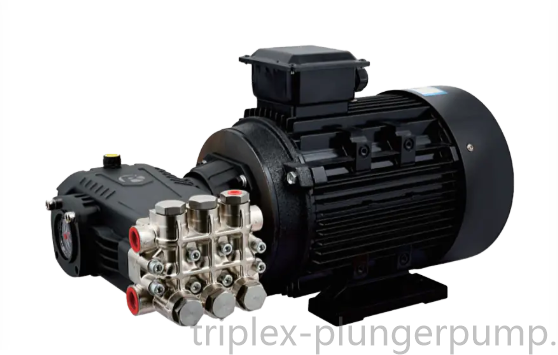
Material selection is one of the first factors industrial users should examine when evaluating pumping equipment. In applications involving moisture, chemical exposure, cleaning processes, or demanding operating environments, Stainless Steel Pump construction may provide a practical material solution when the selected grade is compatible with the working conditions. Stainless steel is valued for its combination of mechanical strength, corrosion resistance, surface characteristics, and suitability for many industrial environments. However, material selection still needs to be based on the actual fluid and operating conditions rather than on the material name alone.
Different stainless steel grades provide different levels of corrosion resistance and mechanical performance. Chromium content contributes to the formation of a passive surface layer that helps protect the underlying metal from many forms of corrosion. Other alloying elements can further influence resistance to particular environments, mechanical properties, temperature capability, and fabrication characteristics. The appropriate grade therefore depends on factors such as fluid chemistry, chloride exposure, temperature, pressure, cleaning agents, and the expected service environment.
The wetted components deserve particular attention because they remain in direct contact with the working medium. Pump heads, valve bodies, plungers, fittings, and other internal components may require different material considerations depending on their function. If a fluid contains corrosive substances or abrasive particles, the material selection process should account for both chemical and mechanical effects. A component that performs well under one set of conditions may experience accelerated wear under another. This is why application information should be collected before selecting the final construction.
Surface condition can also influence equipment performance. Smooth and properly finished surfaces can make cleaning and inspection easier in applications where contamination control is important. Surface quality may also reduce areas where deposits can accumulate. Manufacturing processes such as machining, polishing, welding, and finishing should therefore be controlled carefully. Proper fabrication helps maintain dimensional accuracy and supports reliable sealing between connected components.
Sealing components require separate consideration because stainless steel construction does not automatically determine the suitability of the entire pumping assembly. Elastomers, packing materials, gaskets, and other sealing elements must be compatible with the fluid and temperature. Chemical compatibility is especially important when aggressive cleaning agents or process fluids are involved. The seal material should also accommodate the movement and pressure conditions generated during operation.
Mechanical design remains important even when corrosion-resistant materials are used. A pump can experience repeated pressure cycles, vibration, thermal changes, and mechanical loads. Structural components must be designed to withstand these conditions without excessive deformation or fatigue. Proper alignment between moving parts can reduce unnecessary friction and mechanical stress. Stable installation also helps limit vibration transmitted through the pump and connected piping.
Maintenance practices should reflect the environment in which the equipment operates. Regular inspection can help identify surface damage, deposits, leakage, loose connections, unusual vibration, or early signs of component wear. Cleaning procedures should use methods compatible with the selected materials and seals. Harsh chemicals or inappropriate cleaning tools may damage surfaces even when the basic metal has good corrosion resistance. A planned maintenance schedule can help operators monitor equipment condition before minor issues become larger operating problems.
Industrial users should also consider the complete fluid system rather than evaluating the pump in isolation. Piping materials, valves, fittings, seals, filtration equipment, and connection methods can all influence system reliability. If different metals are connected within the same installation, the possibility of galvanic corrosion may also need to be considered. Appropriate material combinations, isolation methods, and environmental controls can help reduce unwanted corrosion risks.
Temperature and pressure conditions should be reviewed together with chemical compatibility. Higher temperatures can change fluid behavior and may accelerate certain corrosion mechanisms. Pressure fluctuations can place additional mechanical stress on valves, seals, and structural components. A suitable design must therefore account for the actual operating cycle rather than only a single nominal working point.
For purchasing teams, the selection of a Stainless Steel Pump should involve more than comparing material descriptions or initial purchase costs. Reviewing fluid properties, temperature, pressure, operating frequency, installation conditions, sealing requirements, maintenance practices, and expected service life provides a more complete basis for equipment selection. When these factors are matched carefully, stainless construction can support reliable operation in a wide range of demanding environments. More information about available pump configurations and industrial applications is available at https://www.triplex-plungerpump.com/product/pumps/ for users evaluating suitable equipment solutions.

 English
 Arabic
 French
 Spanish
 Portuguese
 Turkish
 Dutch
Dutch
 Italiano
 Russian
 Romaian
 Portuguese (Brazil)
 Greek
Greek