


From Material Selection to Visual Design: Exploring Modern Drinkware
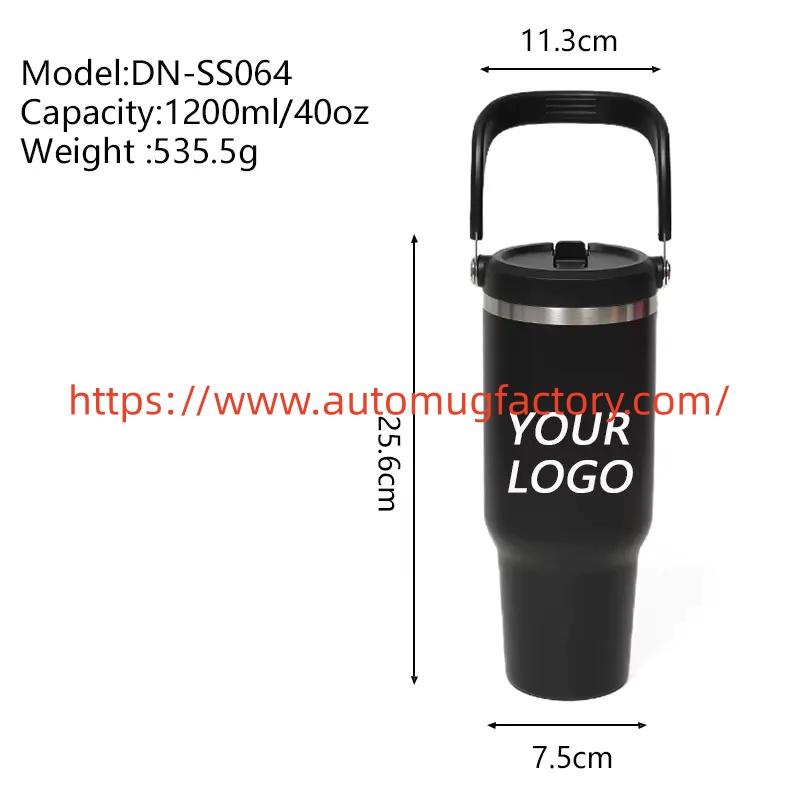
Material selection establishes the foundation of reusable drinkware. The main body needs to support repeated handling and beverage contact, while the lid, sealing components, drinking opening, and accessories need to complement the body structure. Stainless steel is frequently selected for insulated drinkware because it combines a durable construction with a clean visual appearance and can be adapted to different product forms. Other materials can be introduced for specific components depending on their role in the overall design.
The intended application should guide these decisions. A bottle developed for an office environment may emphasize simple handling and a refined appearance, while an outdoor-oriented product may place greater importance on grip, portability, and resistance to everyday wear. Buyers can communicate the expected usage scenarios to a manufacturer before choosing a specific material combination.
Insulation technology is closely related to the internal structure. Many reusable insulated bottles use inner and outer walls separated by a vacuum space, which reduces heat transfer between the beverage and the surrounding environment. This construction allows the product to support hot and cold beverage use while maintaining a relatively comfortable exterior during normal handling. Xiaoyu's product range includes vacuum-insulated drinkware intended for travel, fitness, commuting, and outdoor activities.
The insulation structure should be evaluated together with the rest of the product rather than considered independently. The inner wall contacts the beverage, the outer wall forms the visible surface, and the space between them contributes to thermal performance. Manufacturing consistency is therefore important because the different layers need to function as one integrated structure.
The closure system is another important purchasing consideration. Users may open the bottle repeatedly throughout the day, so the lid should be intuitive and comfortable to operate. Screw closures, flip mechanisms, push-button systems, straws, handles, and removable components can create different experiences. The appropriate choice depends on the intended market and the environment in which the product will be used.
Sealing design is particularly relevant for people who carry bottles in bags or vehicles. A well-integrated lid and sealing system can help reduce unwanted spills during transportation. Buyers should consider how the sealing components interact with the lid, opening, and bottle body, while also examining whether the components can be removed and cleaned conveniently.
Cleaning should be considered during the design stage. Drinkware is used repeatedly, so users benefit from structures that provide reasonable access to the interior and lid components. A straightforward opening can make washing easier, while removable sealing parts can help users maintain the product more effectively. These details may appear minor during procurement but can have a meaningful effect on long-term satisfaction.
Manufacturing technology turns the product concept into a finished item. Forming, welding, vacuum processing, surface treatment, assembly, and inspection all need to be coordinated. The quality of each stage can influence the relationship between the inner and outer walls, the appearance of the finished surface, and the integration of the lid and sealing system.
For buyers evaluating a supplier, production capability can be considered alongside the product itself. Yongkang Xiaoyu Industry & Trade Co., Ltd. states that its quality process covers material selection, production, inspection, packaging, and related manufacturing stages. The company also describes supplier screening and incoming-material inspection as part of its quality-management approach.
Customization can provide another route for brands that need a distinctive product. Different markets may prefer particular body shapes, lid arrangements, surface finishes, colors, logos, or accessories. Xiaoyu offers OEM and ODM services and states that customers can provide drawings or samples for product development and mold-making, allowing the basic structure to be adapted to different project requirements.
Surface treatment contributes strongly to both appearance and tactile experience. A polished metallic surface can create a clean and contemporary impression, while painted, sprayed, electroplated, or decorative finishes can give the same basic structure a different identity. Xiaoyu's customization information includes several surface and logo-processing methods for brands developing personalized drinkware.
User experience is shaped by the details that people repeatedly touch and operate. The body should feel natural in the hand, the lid should be straightforward to use, and the drinking opening should correspond with the intended beverage and user habits. A stable base can also make the bottle easier to place on desks, counters, and other everyday surfaces.
Portability is especially important for travel and outdoor use. Handles, ergonomic contours, and practical lid designs can change how easily a bottle is carried. Xiaoyu's product range includes insulated bottles with different structures and accessories, giving brands opportunities to develop products around commuting, outdoor activities, fitness, and everyday hydration.
The visual side of the product also influences purchasing decisions. Color, surface texture, body contours, lid shape, logo placement, and decorative details can create distinct product identities. Modern drinkware can therefore function as both a practical container and a lifestyle accessory, particularly when brands use customized finishes to match their wider visual language.
For private-label projects, appearance can be developed together with functionality. A brand might choose a restrained metallic finish for a professional collection or use brighter colors and decorative treatments for lifestyle-oriented products. Coordinating the body, lid, accessories, surface treatment, and branding can create a more coherent finished product.
Packaging and presentation can also influence how consumers perceive reusable drinkware. When a product is sold through retail channels or used as a promotional item, its appearance needs to work both independently and within its packaging. Consistent branding across the bottle, accessories, and presentation materials can strengthen the overall product concept.
Supplier communication is another important part of product selection. Buyers may need to discuss material choices, structural design, surface finishing, logo techniques, packaging, samples, and customization requirements. Early communication can help manufacturers understand the intended application and reduce unnecessary changes later in the production process.
Yongkang Xiaoyu Industry & Trade Co., Ltd. describes itself as a manufacturer specializing in travel mugs, plastic cups, and insulated cups, with products covering insulated water bottles, stainless steel drink bottles, and other reusable drinkware. The company also presents customization, product development, quality management, and OEM/ODM services for different customer requirements.
For purchasing teams, evaluating reusable insulated drinkware can therefore involve several connected areas: material suitability, insulation construction, closure design, sealing, manufacturing consistency, cleaning convenience, portability, customization, and appearance. Considering these elements together provides a more practical way to connect the physical product with the habits and expectations of its intended users.
For more information about Yongkang Xiaoyu Industry & Trade Co., Ltd., its insulated drinkware, customization services, and related products, visit https://www.automugfactory.com.

 English
 French
 Spanish
 Portuguese
 Deutsch
 Turkish
 Dutch
Dutch
 Italiano
 Russian
 Romaian
 Portuguese (Brazil)
 Greek
Greek