


Can Gallstones Go Away Naturally?
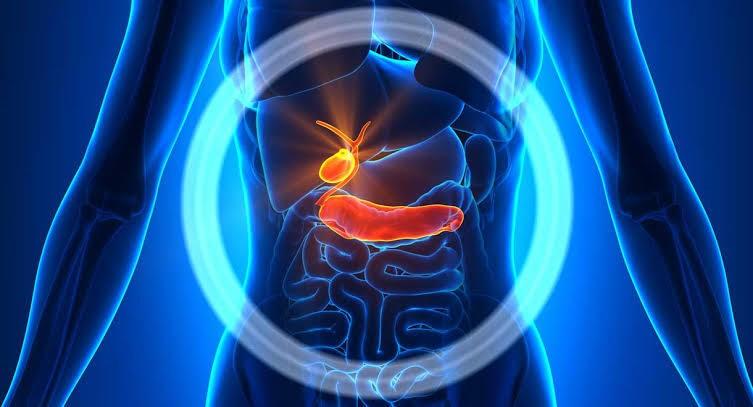
Gallstones are hardened deposits that can develop inside the gallbladder when substances in bile become imbalanced. They may be as small as grains of sand or as large as a golf ball. Some gallstones never cause symptoms, while others can lead to pain, inflammation, or blockage of the bile ducts. Whether gallstones can disappear naturally depends on their type, size, and the individual's overall condition.
If gallstones are causing repeated discomfort, nausea, or digestive problems, seeking professional guidance for Gall bladder in Islamabad can help determine the appropriate evaluation and treatment. Although some gallstones may remain stable without causing problems, symptomatic gallstones generally require medical assessment rather than relying on home remedies.
Can Gallstones Disappear On Their Own?
In most cases, established gallstones do not simply disappear naturally. Gallstones are solid deposits that have formed within the gallbladder, and the body does not usually dissolve them on its own.
Some people may have gallstones for years without experiencing symptoms. In these situations, treatment may not always be necessary immediately. Doctors often recommend observation when gallstones are discovered incidentally and are not causing problems.
However, the absence of symptoms does not mean that a person should attempt to dissolve gallstones using unproven remedies. Medical evaluation can determine whether monitoring is appropriate.
What Causes Gallstones To Form?
Gallstones generally develop because the substances that make up bile become imbalanced. Cholesterol stones are the most common type and may form when bile contains too much cholesterol or when the gallbladder does not empty properly.
Pigment stones are another type and are associated with increased amounts of bilirubin in bile. Certain medical conditions can increase the likelihood of developing these stones.
Risk factors can include obesity, rapid weight loss, pregnancy, certain medical conditions, family history, and some dietary or metabolic factors. Having one or more risk factors does not guarantee that gallstones will develop, but they can increase susceptibility.
Can Diet Dissolve Gallstones?
Diet can play an important role in overall gallbladder health, but dietary changes generally cannot dissolve already formed gallstones. Eating a balanced diet may help reduce certain risk factors associated with gallstone formation, particularly those related to excess body weight and unhealthy eating patterns.
A diet containing adequate fiber, vegetables, fruits, whole grains, and healthy sources of fat can support general digestive health. Reducing excessive intake of highly processed foods and foods containing large amounts of saturated fat may also be beneficial.
However, dietary changes should not be presented as a guaranteed way to eliminate existing stones. Once gallstones have formed, their management depends on whether they are causing symptoms or complications.
Can Drinking More Water Remove Gallstones?
Staying adequately hydrated is important for general health and normal digestion, but drinking extra water does not dissolve established gallstones.
Water supports normal bodily functions and can help maintain hydration, but gallstones are solid deposits within the gallbladder. They cannot normally be flushed out simply by drinking large amounts of water.
People should therefore be cautious about online recommendations claiming that excessive water consumption can remove gallstones. If symptoms are present, professional medical evaluation is more appropriate than relying on such methods.
What About Gallbladder Cleanses?
Gallbladder flushes or cleanses are sometimes promoted as natural ways to remove gallstones. These approaches may involve combinations of oils, juices, herbs, or other substances.
There is limited reliable evidence that these cleanses can safely remove genuine gallstones. What people may see in their bowel movements after a cleanse can be mixtures of oil, digestive materials, and other substances rather than actual gallstones.
Some cleansing methods can also cause abdominal discomfort, diarrhea, vomiting, or other problems. Anyone experiencing gallstone symptoms should discuss safe options with a healthcare professional instead of relying on an unproven cleanse.
Can Gallstones Pass Through The Bile Duct?
Small gallstones can sometimes leave the gallbladder and enter the bile duct. In some cases, a stone may pass into the intestine without causing lasting symptoms. However, movement of a gallstone can also create serious complications.
A stone that becomes lodged in the bile duct can interfere with normal bile flow. This may result in jaundice, infection, or inflammation of the pancreas. Therefore, the fact that a stone may move does not mean that allowing it to pass naturally is always safe.
Medical assessment is particularly important when gallstones are associated with severe or persistent symptoms.
Can Medication Dissolve Gallstones?
In selected cases, certain medications containing bile acids may be used to dissolve cholesterol gallstones. However, this approach is not suitable for everyone and generally works best for particular types of stones and specific clinical situations.
Medication-based dissolution can take months or even longer, and gallstones may return after treatment. Doctors therefore consider factors such as stone composition, gallbladder function, stone size, and symptoms before recommending this approach.
Medication should only be used under professional guidance rather than purchased or taken independently as a natural gallstone treatment.
When Are Gallstones Usually Treated?
Gallstones that do not cause symptoms may not require immediate treatment. Doctors may recommend monitoring while providing guidance about symptoms that should prompt further evaluation.
Symptomatic gallstones are different. Repeated attacks of gallbladder pain, inflammation, infection, or complications involving the bile ducts may require active treatment.
For people with recurring symptoms, gallbladder removal surgery may be considered. The procedure is commonly performed laparoscopically, using several small incisions rather than one large abdominal incision. The exact treatment depends on the individual's diagnosis and overall health.
What Are Common Symptoms Of Gallstones?
Many gallstones are silent, meaning they do not produce noticeable symptoms. When symptoms occur, they can include sudden pain in the upper-right or upper-middle abdomen. Pain may sometimes occur after eating and can last for several hours.
Other possible symptoms include nausea, vomiting, bloating, and indigestion. More concerning symptoms may include fever, chills, jaundice, dark urine, or persistent severe abdominal pain.
These symptoms can also occur with other digestive conditions, so they should not automatically be attributed to gallstones without appropriate evaluation.
When Should You See A Doctor?
Medical attention is important when abdominal pain is severe, persistent, or repeatedly returns. Urgent evaluation is especially important if pain occurs with fever, chills, repeated vomiting, or yellowing of the skin or eyes.
These signs can indicate complications such as gallbladder inflammation or bile duct obstruction. Prompt assessment can help identify the cause and determine whether treatment is necessary.
A healthcare professional may use medical history, physical examination, blood tests, and imaging such as ultrasound to evaluate suspected gallstones.
Can Gallstones Be Prevented?
Not every case of gallstones can be prevented, particularly when genetic or medical factors contribute to their development. However, maintaining a healthy body weight and avoiding rapid weight-loss diets may help reduce some risks.
Regular physical activity and a balanced eating pattern can also support general metabolic and digestive health. People who are trying to lose weight should generally aim for gradual, sustainable weight loss rather than extreme dieting.
These measures may reduce risk, but they cannot guarantee that gallstones will never develop.
Conclusion:
Gallstones generally do not disappear naturally once they have formed. Some remain harmless and symptom-free, while others can cause painful attacks or complications. Although healthy eating and maintaining a suitable weight can support gallbladder health, they should not be considered guaranteed methods for dissolving existing stones.
Medication may dissolve certain cholesterol stones in carefully selected situations, while symptomatic or complicated gallstones may require surgical treatment. If you experience recurring abdominal pain or other possible gallstone symptoms, professional assessment is important. For further healthcare guidance, you can consult JJ medics regarding appropriate evaluation and treatment options.

 Arabic
 French
 Spanish
 Portuguese
 Deutsch
 Turkish
 Dutch
Dutch
 Italiano
 Russian
 Romaian
 Portuguese (Brazil)
 Greek
Greek