


Exploring EI Transformer Construction, Technology and User Experience
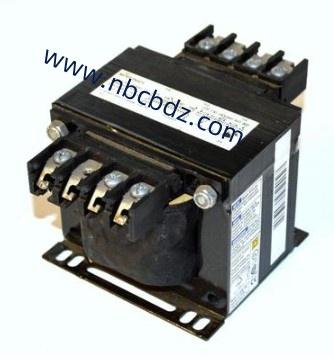
Material selection is the starting point for understanding EI transformer construction. An EI transformer generally combines a laminated magnetic core, conductive windings, insulation materials, terminals, and protective structural components. Although these parts perform different functions, their interaction determines the overall construction of the finished product. For purchasing teams, looking at the material system rather than focusing only on the product appearance can provide a clearer basis for supplier communication.
The magnetic core is central to transformer operation because it guides magnetic flux between the winding sections. The characteristic E-shaped and I-shaped laminated structure creates an organized magnetic path while also providing a practical form for winding assembly. The choice of magnetic material and the quality of lamination assembly can influence the transformer's electrical behavior and manufacturing consistency. Ningbo Chuangbiao identifies EI transformers as a key part of its product range alongside toroidal, C-core, medical, audio, industrial control, and other transformer products.
Winding materials are another important consideration. Conductive wire forms the electrical connection between different sections of the transformer, while the winding arrangement affects how the component interacts with the surrounding circuit. Copper is commonly used because of its established conductivity and processing characteristics. During manufacturing, the wire needs to be arranged carefully around the core while maintaining suitable separation and insulation.
Insulation materials provide another layer of consideration. Insulating wire coatings, tapes, barriers, bobbin components, and other materials help separate conductive sections and support the intended electrical arrangement. For buyers, understanding how insulation is selected and applied can be useful when evaluating transformers for different electrical environments. Ningbo Chuangbiao states that it selects materials from approved high-quality suppliers and follows quality-management procedures in its manufacturing process.
The selection process should begin with the equipment in which the transformer will be installed. Instead of choosing an EI transformer simply because its general category appears suitable, buyers can first consider the electrical architecture, intended function, installation position, surrounding components, environmental conditions, and maintenance approach. This application-based method can make communication with the manufacturer more precise.
Compatibility is particularly important for equipment that combines transformers with circuit boards, switches, protection devices, control components, or other electrical assemblies. An EI structure may provide a practical arrangement for many applications, but the transformer still needs to match the complete electrical system. Providing the manufacturer with information about the equipment and its operating environment can help establish a more appropriate product configuration.
The functional role of an EI transformer can extend across power conversion, electrical isolation, control systems, electronic equipment, and other applications. The relationship between the magnetic core and windings enables energy to be transferred between circuits through electromagnetic induction. Insulation and winding separation can also support electrical isolation between different sections of a system.
For system designers, the transformer should therefore be treated as part of the complete electrical architecture. Circuit protection, grounding, wiring, control devices, and surrounding components all interact with the transformer. Considering these relationships during the design stage can reduce installation difficulties and help create a more organized electrical assembly.
Manufacturing technology also affects the consistency of EI transformer construction. Core assembly, winding, insulation treatment, terminal installation, protective finishing, and final inspection need to be coordinated through controlled processes. Small differences in assembly can influence how easily a transformer fits into equipment and how consistently different production batches are constructed.
Ningbo Chuangbiao states that its production process uses trained personnel, CNC equipment, automated testing systems, and comprehensive quality inspection before products leave the factory. The company also describes a complete process covering design, procurement, manufacturing, quality assurance, logistics, sales, and customer service. For OEM buyers, this integrated approach can be useful when transformer requirements need to be discussed across several stages of product development.
Testing is another consideration when evaluating a supplier. External appearance alone cannot reveal every characteristic of an electrical component. Production inspection can address aspects related to electrical connections, insulation, winding construction, assembly, and other product requirements. Buyers can ask manufacturers about their quality-control procedures when comparing suppliers.
Thermal organization should also be considered as part of equipment design. A transformer operates within a larger electrical environment where heat generated by surrounding components can influence internal layout. Core construction, winding arrangement, insulation, ventilation, and component placement can therefore be considered together when engineers plan the equipment.
User experience begins with installation. Clearly arranged terminals, practical mounting provisions, and an orderly external structure can make wiring more convenient for technicians. When the transformer is installed alongside circuit boards, relays, switches, or protection components, a sensible physical arrangement can help make the complete assembly easier to understand.
Maintenance is another practical factor. Even when transformers are designed for integration into equipment for long-term use, technicians may need to inspect connections, mounting points, insulation surfaces, or neighboring components. A clean and accessible arrangement can simplify visual inspection and reduce unnecessary interference with other parts of the equipment.
For OEM applications, customization may be useful when a standard configuration does not fit a particular product structure. Buyers may need different connection arrangements, mounting approaches, winding configurations, protective treatments, or other construction details. Discussing these requirements early allows the manufacturer to consider the transformer as part of the complete equipment rather than as an isolated component.
The physical appearance of an EI transformer can also contribute to equipment organization. The defined core structure provides a recognizable form, while orderly terminals and clean insulation treatment can make the component easier to identify during installation and inspection. For equipment manufacturers, consistent external construction can also support a more organized production process.
Appearance should not replace electrical considerations, but it can influence the overall presentation of a finished electrical assembly. Neat winding construction, consistent insulation treatment, orderly terminals, and appropriate protective surfaces can contribute to a professional internal layout. These details may be especially useful when technicians regularly need to inspect or service the equipment.
Supplier communication forms another part of the purchasing experience. Buyers can provide information about the intended application, installation environment, connection requirements, maintenance conditions, and desired product structure before production. Clear communication helps the manufacturer understand the actual application and discuss suitable transformer solutions more efficiently.
Ningbo Chuangbiao Electronic Technology Co., Ltd. describes itself as a professional manufacturer of electronic transformers, with EI transformers as a characteristic product category. Its wider product range includes toroidal transformers, C-core transformers, medical transformers, audio transformers, high-voltage transformers, industrial control transformers, and other designs. This product diversity can give equipment manufacturers more options when transformer construction needs to be coordinated with different electrical applications.
For engineers, purchasing teams, and equipment manufacturers, evaluating magnetic materials, winding construction, insulation, manufacturing processes, testing, application compatibility, installation, maintenance, and appearance provides a practical way to assess an EI transformer. These considerations help connect the transformer with the equipment around it and create clearer communication between buyers and suppliers.
For more information about Ningbo Chuangbiao Electronic Technology Co., Ltd. and its transformer product range, visit https://www.nbcbdz.com/product/.

 English
 French
 Spanish
 Portuguese
 Deutsch
 Turkish
 Dutch
Dutch
 Italiano
 Russian
 Romaian
 Portuguese (Brazil)
 Greek
Greek