


Shockwave Therapy in Pakistan
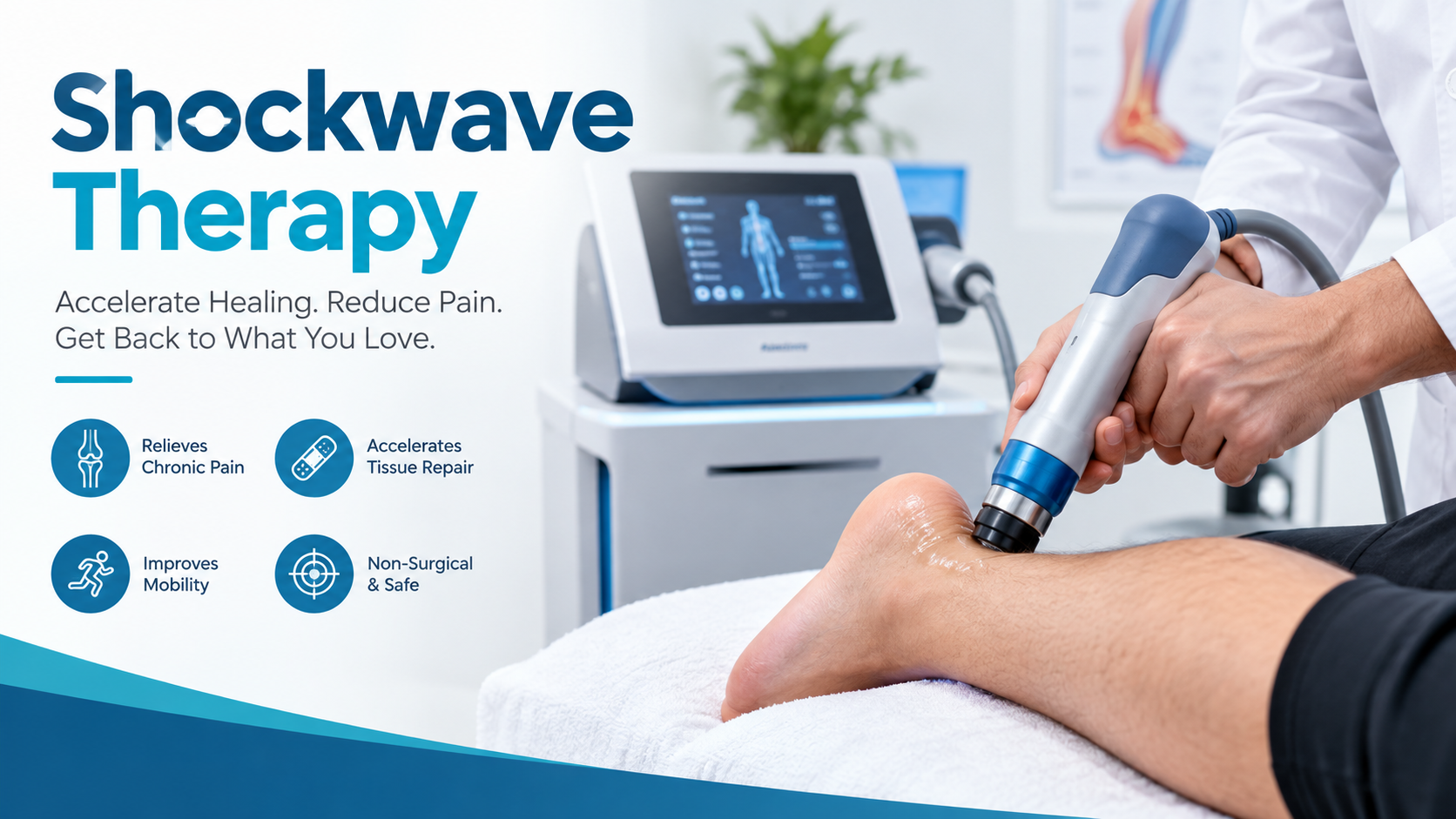
Modern medicine continues to introduce non-invasive treatment options that can help people manage pain, support tissue healing, and improve certain physical functions without surgery. Shockwave therapy is one such treatment that has gained considerable attention in recent years.
Also known as extracorporeal shockwave therapy (ESWT), shockwave therapy uses controlled acoustic waves to stimulate targeted areas of the body. It is commonly used for certain tendon, muscle, and soft-tissue conditions and has also been studied as a treatment for specific cases of erectile dysfunction.
Unlike surgical procedures, shockwave therapy does not require an incision. A specialized device delivers acoustic energy through the skin to the treatment area. Depending on the condition, this energy may stimulate blood circulation, cellular activity, tissue remodeling, and the body's natural healing processes.
If you are considering this treatment, understanding how it works, what it is used for, its potential benefits, possible side effects, and realistic treatment expectations can help you make an informed decision.
What Is Shockwave Therapy?
Shockwave therapy is a non-invasive medical treatment that uses high-energy acoustic or pressure waves to stimulate tissues beneath the skin.
The word "shockwave" can sometimes be misleading because the treatment does not involve an electrical shock. Instead, a medical device generates mechanical waves that are delivered to a specific area.
These waves can interact with tissues and may trigger biological responses associated with healing and tissue regeneration.
Depending on the application, shockwave therapy may be used to:
-
Stimulate local circulation
-
Encourage tissue repair
-
Support collagen production
-
Promote tissue remodeling
-
Reduce certain types of chronic pain
-
Stimulate cellular responses
-
Support vascular function
The treatment is not identical for every condition. Different devices, energy levels, treatment frequencies, and protocols may be used depending on what is being treated.
How Does Shockwave Therapy Work?
The basic principle behind shockwave therapy is controlled mechanical stimulation.
During a session, the healthcare professional places the treatment applicator against the skin. Acoustic waves are then delivered into the targeted area.
These waves create mechanical pressure within the tissue. This mechanical stimulation may influence cellular activity and local blood-flow responses.
Researchers have proposed several mechanisms through which shockwave therapy may produce therapeutic effects.
Stimulating Blood Circulation
Blood circulation plays an important role in tissue health. Shockwave therapy may stimulate vascular responses in the treated area, potentially supporting the delivery of oxygen and nutrients.
Supporting Tissue Repair
The mechanical energy produced by shockwaves may stimulate biological processes involved in tissue repair and remodeling.
Influencing Collagen
Collagen provides structural support to tendons, ligaments, skin, and other tissues. Shockwave therapy may influence collagen production and remodeling in certain treatment applications.
Modulating Pain
For some chronic musculoskeletal conditions, shockwave therapy may influence pain pathways and reduce sensitivity in the affected area.
Because the mechanisms can differ between conditions, treatment should be performed according to a medically appropriate protocol.
Types of Shockwave Therapy
The term shockwave therapy can refer to different types of acoustic-wave technologies.
Focused Shockwave Therapy
Focused shockwaves concentrate energy at a specific depth inside the tissue.
This can allow treatment of deeper structures and more precise targeting.
Focused systems may be used for selected orthopedic and urological applications.
Radial Shockwave Therapy
Radial shockwave therapy delivers pressure waves through an applicator placed against the skin. The waves spread outward from the treatment point.
Radial systems are commonly used in physiotherapy, sports medicine, and treatment of various soft-tissue conditions.
Although both technologies may be called shockwave therapy, they have different characteristics. The appropriate type depends on the patient's diagnosis and the treatment objective.
What Is Shockwave Therapy Used For?
Shockwave therapy has been used or investigated for a variety of medical conditions.
Common applications include:
-
Plantar fasciitis
-
Tennis elbow
-
Achilles tendon problems
-
Certain chronic tendon disorders
-
Calcific tendinopathy
-
Some sports-related injuries
-
Selected chronic musculoskeletal pain conditions
-
Erectile dysfunction in selected patients
It is important to remember that the amount and quality of evidence vary between different conditions. A treatment that may be appropriate for one problem may not be suitable for another.
A proper diagnosis should therefore come before treatment.
Shockwave Therapy for Erectile Dysfunction
One of the most discussed applications of shockwave therapy is erectile dysfunction (ED).
Low-intensity shockwave therapy, often referred to as LiSWT, has been studied as a possible treatment for certain men with erectile dysfunction.
An erection depends on several factors, but healthy blood circulation is particularly important. Problems affecting blood vessels can make it difficult to achieve or maintain an erection.
Low-intensity shockwave therapy is intended to stimulate biological responses in penile tissue. Researchers have investigated whether these responses can support vascular function and improve erectile performance in appropriately selected patients.
Potential treatment goals may include:
-
Supporting penile blood flow
-
Encouraging vascular responses
-
Stimulating tissue activity
-
Improving erectile function
-
Supporting longer-term erectile health in suitable patients
However, shockwave therapy should not be described as a guaranteed cure for erectile dysfunction.
ED may be caused by diabetes, cardiovascular disease, medications, hormonal issues, nerve problems, psychological factors, lifestyle habits, or a combination of these factors.
For this reason, a medical assessment is an important first step.
Who May Benefit From Shockwave Therapy for ED?
Shockwave therapy is not automatically appropriate for everyone experiencing erectile difficulties.
A doctor may consider factors such as:
-
Age
-
Duration of symptoms
-
Severity of erectile dysfunction
-
Cardiovascular health
-
Diabetes
-
Blood pressure
-
Medication use
-
Smoking
-
Hormonal health
-
Previous ED treatments
-
Possible psychological contributors
Men with vascular-related erectile dysfunction may be among those considered for low-intensity shockwave therapy, depending on their individual circumstances.
The goal of an assessment is not simply to determine whether shockwave therapy can be performed, but whether it makes medical sense for the particular patient.
Shockwave Therapy for Chronic Pain
Another important use of shockwave therapy is the management of certain chronic musculoskeletal conditions.
People who have persistent tendon or soft-tissue problems may sometimes receive shockwave therapy after other conservative approaches have not produced sufficient improvement.
Plantar Fasciitis
Plantar fasciitis is a common cause of heel pain.
People may experience pain underneath the heel, particularly when taking their first steps after waking up or after periods of rest.
Shockwave therapy may be considered for certain persistent cases, often alongside other conservative treatments.
Tennis Elbow
Tennis elbow is associated with pain around the outside of the elbow and is often related to tendon overload.
Shockwave therapy may be incorporated into a broader rehabilitation program for selected chronic cases.
Achilles Tendon Problems
The Achilles tendon connects the calf muscles to the heel bone.
Persistent Achilles tendon problems can affect walking, running, and exercise. In some cases, shockwave therapy may be considered as part of a treatment and rehabilitation plan.
Calcific Tendinopathy
Some tendon conditions involve calcium deposits within the affected tissue.
Shockwave therapy has been used in selected cases of calcific tendinopathy, particularly around the shoulder.
Main Benefits of Shockwave Therapy
There are several reasons why patients and healthcare professionals consider shockwave therapy.
1. It Is Non-Invasive
The treatment is performed externally. There is no surgical incision and no need to cut through the skin.
2. Minimal Recovery Time
Many patients can continue their normal activities after treatment, depending on the condition and the advice provided by their healthcare professional.
3. No Major Surgical Procedure
Shockwave therapy does not involve the risks and recovery requirements associated with an operation.
4. Targeted Treatment
The applicator can be positioned over the area requiring treatment, allowing acoustic energy to be delivered to a specific region.
5. May Stimulate Natural Healing
The purpose of shockwave therapy is to stimulate biological responses within the tissue rather than simply provide temporary symptom relief.
6. Can Be Part of a Broader Treatment Plan
Shockwave therapy can sometimes be combined with rehabilitation, exercise, lifestyle changes, medication, or other appropriate treatments.
What Happens During a Shockwave Therapy Session?
A shockwave therapy appointment usually begins with an assessment.
The clinician will determine the treatment area and establish whether the procedure is appropriate.
Step 1: Consultation
The patient's symptoms, medical history, previous treatments, and relevant health conditions are reviewed.
Step 2: Identifying the Treatment Area
The clinician identifies the exact location requiring treatment.
Depending on the condition, this may involve physical examination or review of diagnostic imaging.
Step 3: Applying Coupling Gel
A special gel may be placed on the skin to help transmit the acoustic waves effectively.
Step 4: Applying the Shockwaves
The applicator is positioned against the treatment area.
The device then delivers a series of controlled acoustic pulses.
Patients may feel tapping, vibration, pressure, or mild discomfort during the procedure.
Step 5: Finishing the Session
Once the planned treatment has been delivered, the applicator is removed.
Most treatments are performed without hospitalization.
Does Shockwave Therapy Hurt?
The experience varies from one patient to another.
Some people feel very little discomfort, while others may experience noticeable pressure or sensitivity.
Patients commonly describe the sensation as:
-
Tapping
-
Pulsing
-
Vibrating
-
Pressure
-
Mild discomfort
The intensity can often be adjusted during treatment.
The treatment area can also affect how comfortable the procedure feels.
How Many Shockwave Therapy Sessions Are Required?
There is no universal treatment schedule.
The number of sessions depends on:
-
The condition being treated
-
Severity of symptoms
-
Treatment area
-
Type of shockwave technology
-
Energy settings
-
Patient response
-
Clinical protocol
Some treatment plans involve multiple sessions scheduled over several weeks.
Patients should follow the protocol recommended by their healthcare provider rather than assuming that a particular number of sessions will guarantee a particular outcome.
When Do Shockwave Therapy Results Appear?
One of the most important things to understand about shockwave therapy is that results may not be immediate.
The treatment is intended to stimulate biological processes, and these processes can take time.
Depending on the condition, improvement may develop over several weeks.
Some patients may notice changes during their treatment course, while others may see gradual improvement after completing their sessions.
For erectile dysfunction, any improvement may also develop progressively rather than immediately following treatment.
Individual results vary.
Possible Side Effects of Shockwave Therapy
Although shockwave therapy is non-invasive, temporary side effects can occur.
Possible effects include:
-
Temporary redness
-
Mild swelling
-
Bruising
-
Tenderness
-
Local discomfort
-
Temporary sensitivity changes
Most mild effects resolve without significant intervention.
However, patients should inform their healthcare provider if they experience severe pain, persistent symptoms, or unusual changes after treatment.
Is Shockwave Therapy Safe?
Shockwave therapy is generally considered a non-invasive treatment, but that does not mean it is suitable for every person.
A healthcare professional should review the patient's medical history before treatment.
Depending on the specific application, clinicians may need to consider:
-
Bleeding disorders
-
Certain medications
-
Active infections
-
Certain cancers
-
Pregnancy
-
Implanted medical devices
-
Other underlying medical conditions
The exact precautions depend on the body area being treated and the type of shockwave therapy being used.
Patients should provide their healthcare professional with a complete list of medications and relevant medical conditions before treatment.
What Should You Do Before Shockwave Therapy?
Good preparation starts with an accurate diagnosis.
Before beginning treatment, discuss:
-
Your current symptoms
-
Previous treatments
-
Current medications
-
Existing medical conditions
-
Previous surgeries
-
Allergies
-
Diagnostic reports
-
Treatment goals
For erectile dysfunction, it can be especially useful to discuss diabetes, cardiovascular health, blood pressure, smoking, medications, and hormonal concerns.
This information can help determine whether shockwave therapy is appropriate.
What Happens After Treatment?
Most people do not need a prolonged recovery period.
However, aftercare recommendations can vary.
Depending on the condition, your healthcare provider may recommend:
-
Following activity restrictions
-
Continuing rehabilitation exercises
-
Avoiding certain activities temporarily
-
Maintaining scheduled appointments
-
Monitoring symptoms
-
Returning for follow-up assessment
For tendon and musculoskeletal conditions, shockwave therapy may work best when combined with an appropriate exercise and rehabilitation program.
Shockwave Therapy vs. Surgery
Shockwave therapy and surgery are very different treatment approaches.
| Shockwave Therapy | Surgery |
|---|---|
| Non-invasive | Invasive |
| No surgical incision | Usually involves an incision |
| Generally little downtime | Recovery may take longer |
| Usually performed without general anesthesia | Anesthesia may be required |
| Often performed as an outpatient treatment | May require an operating facility |
| Results may develop gradually | Results depend on the surgical procedure |
This does not mean shockwave therapy can replace surgery in every case.
Certain medical problems require surgical intervention, and delaying necessary treatment can be harmful.
Shockwave Therapy vs. Medication for ED
Shockwave therapy and ED medication have different purposes and mechanisms.
Medications used for erectile dysfunction generally help improve the physiological processes involved in achieving or maintaining an erection.
Shockwave therapy, on the other hand, is intended to stimulate biological responses within targeted tissue.
A doctor may recommend one treatment or another based on the underlying cause of ED, overall health, medications, and treatment goals.
In some cases, more than one approach may be considered.
How Much Does Shockwave Therapy Cost?
The cost of shockwave therapy varies from one clinic and patient to another.
Factors that may affect the price include:
-
Number of sessions
-
Treatment area
-
Type of device
-
Treatment protocol
-
Consultation fees
-
Diagnostic tests
-
Follow-up appointments
-
Clinic location
For this reason, it is difficult to provide one universal price.
Patients should ask clinics for a complete breakdown of the treatment plan and confirm exactly what is included in the quoted cost.
Shockwave Therapy in Lahore and Multan
Patients in Pakistan can find shockwave therapy services at selected healthcare facilities in major cities.
Lahore and Multan are among the cities where patients may seek consultations for treatments involving shockwave technology.
When choosing a clinic, patients should look beyond promotional claims and ask important questions about the treatment.
These may include:
-
Who will perform the treatment?
-
What type of shockwave device is being used?
-
What condition is being treated?
-
How is the diagnosis established?
-
How many sessions are recommended?
-
What results are realistically expected?
-
What are the possible side effects?
-
Are alternative treatments available?
A proper medical consultation is an important part of responsible treatment planning.
Shockwave Therapy at Dot Clinics
Dot Clinics provides healthcare and aesthetic services in Lahore and Multan, Pakistan.
Patients interested in shockwave therapy can consult the clinic to discuss their symptoms and treatment requirements.
For men considering shockwave therapy for erectile dysfunction, an evaluation can help identify possible contributing factors and determine whether this treatment is appropriate.
The treatment plan can vary according to individual needs. Factors such as medical history, severity of the condition, previous treatments, and treatment goals may all be considered.
Patients should discuss expected results, session requirements, possible side effects, and alternative treatment options during their consultation.
Can Shockwave Therapy Permanently Cure Erectile Dysfunction?
It is important to maintain realistic expectations.
Shockwave therapy may improve erectile function in some appropriately selected patients, but it should not be described as a guaranteed permanent cure.
Erectile dysfunction can result from several underlying problems. If diabetes, cardiovascular disease, medication effects, hormonal problems, or lifestyle factors are contributing to ED, these issues may also need to be addressed.
Long-term erectile health often depends on managing the underlying causes rather than relying on a single procedure.
Frequently Asked Questions About Shockwave Therapy
Is shockwave therapy a surgical treatment?
No. Shockwave therapy is a non-invasive treatment that delivers acoustic waves through the skin.
Does shockwave therapy hurt?
Some patients experience mild or moderate discomfort during treatment. The sensation can vary depending on the treatment area and individual sensitivity.
How long is a treatment session?
Session duration varies according to the condition, treatment area, device, and treatment protocol.
How many sessions will I need?
There is no standard number that applies to everyone. Your healthcare professional should recommend a schedule based on your condition.
Can shockwave therapy treat ED?
Low-intensity shockwave therapy has been studied for selected cases of erectile dysfunction. However, it is not suitable for every patient and does not guarantee improvement.
Are shockwave therapy results immediate?
Not necessarily. Many of the proposed effects involve biological processes that may take time.
Are there side effects?
Temporary discomfort, redness, swelling, bruising, and tenderness can occur.
Can I return to normal activities after treatment?
Many patients can return to their regular activities quickly, although specific instructions depend on the treatment and condition.
Is shockwave therapy suitable for everyone?
No. A medical assessment is necessary to determine whether it is appropriate.
Final Thoughts
Shockwave therapy offers a non-invasive approach for selected medical conditions and has become increasingly recognized in areas such as musculoskeletal treatment, rehabilitation, and men's sexual health.
By delivering controlled acoustic energy to targeted tissues, the treatment may stimulate circulation, cellular activity, tissue remodeling, and natural healing responses. It can be particularly appealing to patients who want to explore treatment options that do not involve surgery or lengthy recovery.
For erectile dysfunction, low-intensity shockwave therapy has attracted attention because of its potential effects on vascular and tissue function. However, ED has many possible causes, so treatment should begin with a proper medical evaluation rather than relying on a one-size-fits-all approach.
If you are considering shockwave therapy, speak with a qualified healthcare professional about your symptoms, medical history, treatment options, expected results, and possible risks. A personalized assessment can help determine whether shockwave therapy is an appropriate option for your particular condition.

 English
 Arabic
 French
 Spanish
 Portuguese
 Turkish
 Dutch
Dutch
 Italiano
 Russian
 Romaian
 Portuguese (Brazil)
 Greek
Greek