


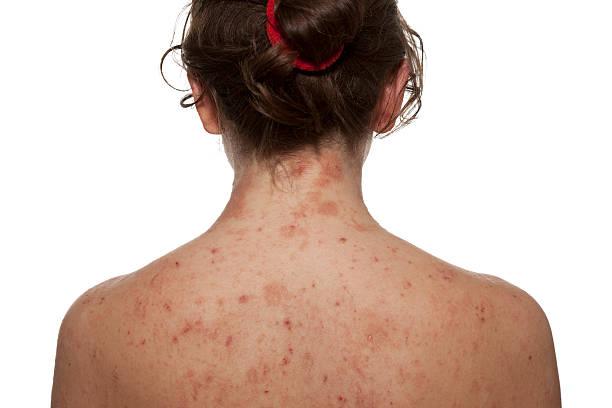
Back acne does not affect everyone the same way. Oily skin, dry skin, sensitive skin, and skin prone to scarring each require a different approach. Using the wrong products can worsen the problem rather than resolve it. How to Treat Back Acne and Its Effects? Understanding your skin type and specific concerns helps you choose treatments that work with your skin rather than against it. This guide breaks down back acne care by skin type.
Why Skin Type Matters for Back Acne Treatment
The skin on your back has its own characteristics, but your overall skin type still influences how it responds to treatment.
Oily skin tolerates stronger actives; dry skin needs gentler formulas; sensitive skin requires fragrance-free options; scarring-prone skin needs early intervention.
Treatment for Oily Back Skin
Oily skin produces excess sebum, which clogs pores quickly. Salicylic acid cleansers are ideal.
Benzoyl peroxide reduces bacteria and oil. Clay masks can help absorb excess oil.
Treatment for Dry Back Skin
Dry skin is more prone to irritation and barrier damage. Harsh acne treatments can worsen the problem.
Use gentle cleansers with lower concentrations of active ingredients. Moisturize consistently with non-comedogenic formulas.
Treatment for Combination Back Skin
Combination skin requires balanced handling. Use salicylic acid on oilier areas and gentler cleansers elsewhere.
Avoid over-treating, which can dry out already compromised zones.
Treatment for Sensitive Back Skin
Sensitive skin reacts to fragrances, strong acids, and friction. Choose fragrance-free, gentle formulas.
Introduce active ingredients slowly and patch test first.
Treatment for Acne-Prone Skin With Scarring
Scarring-prone skin requires early and consistent treatment to prevent permanent marks.
Avoid picking and squeezing. Professional treatments may be needed to address existing scars.
Treatment for Hormonal Back Acne
Hormonal acne often appears cyclically and may be deeper and more inflamed.
Hormonal treatments, prescription retinoids, or oral medications may be needed.
Treatment for Fungal Acne (Malassezia Folliculitis)
Fungal acne is not true acne. It presents as small, uniform bumps that itch.
Standard acne treatments may not work. Antifungal washes or medications are typically required.
Treatment for Body Acne Caused by Friction
Acne mechanica results from friction and pressure. Adjusting clothing, gear, and habits is essential.
Combine lifestyle changes with gentle exfoliation and cleansing.
Treatment for Back Acne With Hyperpigmentation
Dark marks left after breakouts require gentle care and sun protection.
Brightening ingredients such as niacinamide may help. Avoid picking.
General Principles Across All Skin Types
Cleanse after sweating. Avoid harsh scrubbing. Moisturize with non-comedogenic products.
Be consistent and patient—improvement takes weeks.
When to Seek Professional Help
If home care fails after several weeks, professional assessment is warranted.
Persistent nodules, cysts, or scarring require medical treatment.
For those seeking expert guidance and customized aesthetic care, you can book an appointment consultation at the Enfield Royal Riyadh.
FAQs
What treatment suits oily back skin?
Salicylic acid cleansers and benzoyl peroxide are effective.
What helps dry back skin with acne?
Gentle cleansers, lower-strength actives, and consistent moisturizing.
How do I treat sensitive back skin?
Use fragrance-free, gentle formulas and introduce actives slowly.
Can fungal acne be treated like regular acne?
No, it requires antifungal treatments rather than standard acne products.
When should I see a professional?
If home care fails after several weeks or scarring develops.
Final Thoughts
Back acne treatment should match your skin type and specific concerns. Oily, dry, sensitive, hormonal, and scarring-prone skin each require different approaches. Choosing the right products and habits prevents irritation and improves results. When home care is not enough, professional treatment offers effective solutions. Clearer skin begins with understanding your skin.

 English
 Arabic
 Spanish
 Portuguese
 Deutsch
 Turkish
 Dutch
Dutch
 Italiano
 Russian
 Romaian
 Portuguese (Brazil)
 Greek
Greek