


A Practical Guide to Choosing an EI Transformer for Electrical Equipment
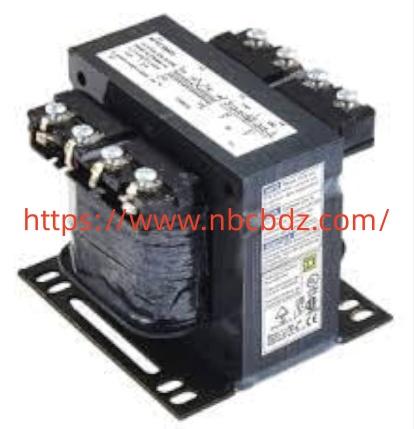
Transformer selection is closely connected with the equipment in which the component will operate, so evaluating an EI Transformer Factory should involve more than comparing product appearance. Core construction, winding materials, insulation, assembly quality, connection arrangements, installation requirements, and supplier support can all affect how effectively a transformer integrates into a complete electrical system. Ningbo Chuangbiao Electronic Technology Co., Ltd. identifies EI transformers as a characteristic part of its product range and provides services covering design, procurement, manufacturing, quality assurance, logistics, sales, and customer service.
Material selection starts with the magnetic core. An EI transformer uses E-shaped and I-shaped laminations to create an organized magnetic path between the winding sections. The magnetic material needs to correspond with the intended electrical application, while consistent lamination and assembly can support predictable manufacturing results. Buyers can therefore ask suppliers about material sourcing, incoming inspection, core assembly, and how the magnetic structure is coordinated with the rest of the transformer.
The winding system is another important material consideration. Copper is commonly used because of its established electrical conductivity and processing characteristics. However, conductor material alone does not determine winding quality. The arrangement of the coils, connection points, insulation between winding sections, and mechanical stability of the assembly all contribute to the finished transformer. Reviewing the complete winding structure can give buyers a clearer understanding of how the component is manufactured.
Insulation materials also deserve careful attention. Insulating films, tapes, bobbins, sleeves, and related components help separate conductive sections and maintain the intended electrical structure. The selected materials should work together with the core and winding arrangement rather than being treated as separate finishing components. Ningbo Chuangbiao states that it selects materials from approved suppliers and applies quality management procedures throughout its manufacturing process.
Application compatibility should be considered before purchasing. EI transformers may be incorporated into electronic equipment, control systems, industrial machinery, power supplies, lighting equipment, and other electrical assemblies. Each application can have different requirements concerning isolation, installation, connections, surrounding components, and operating conditions. Sharing the complete application context with the manufacturer can help ensure that the transformer is considered as part of the finished system.
Physical integration is another important purchasing factor. A transformer may satisfy its electrical role but still create difficulties if its terminals, mounting points, lead arrangement, or protective structure conflict with nearby components. Buyers should consider how the transformer will be installed, wired, inspected, and maintained. Early discussion of these details can reduce unnecessary changes during equipment assembly.
The EI structure also provides a familiar manufacturing approach. E-shaped and I-shaped laminations can be assembled around the winding section and insulation components through established production procedures. This arrangement gives manufacturers a practical framework for producing different transformer designs according to application needs. Ningbo Chuangbiao's product portfolio includes EI transformers alongside ring, C-core, medical, audio, high-voltage, industrial control, and high-frequency transformer products.
Manufacturing consistency becomes especially relevant when a transformer is repeatedly installed in the same equipment. Core assembly, winding, insulation treatment, terminal connection, and final inspection all need controlled processes. Ningbo Chuangbiao states that its production process uses trained personnel, CNC equipment, automated testing systems, and comprehensive inspection before products leave the factory.
Testing is closely related to supplier selection. Buyers can review how the manufacturer checks winding relationships, insulation condition, electrical characteristics, connections, and overall assembly quality. A clear inspection process can provide useful information about production consistency and make communication easier when repeat orders are required.
From a functional perspective, an EI transformer can support power conversion and electrical isolation within a larger electrical system. The magnetic core, windings, insulation, and connection system work together to establish the intended electrical relationship between different circuits. This means transformer selection should be based on the complete electrical architecture rather than on the product category alone.
Electrical isolation can be particularly useful in control and industrial equipment. Separating different sections of a system can help establish an organized circuit structure and support the operation of connected control components. The appropriate winding and insulation arrangement depends on the application, making early technical communication valuable during product development.
Thermal conditions should also be considered as part of the system design. Energy conversion creates losses that can produce heat, while the surrounding cabinet, ventilation, PCB arrangement, and nearby components influence how that heat is managed. A transformer installed in a confined assembly may experience different conditions from one placed in a more open structure. Manufacturers can make better design decisions when buyers provide information about the intended installation environment.
User experience is closely connected with installation and maintenance. Technicians benefit from clearly arranged terminals, accessible mounting points, orderly leads, and a physical structure that is easy to understand. Although an operator may not interact directly with the transformer during normal equipment use, the component can influence how easily the overall system is assembled, inspected, serviced, and replaced.
Maintenance access is especially important in industrial equipment. A transformer installed among numerous electrical components should remain easy to identify and inspect. Neat connections and consistent insulation treatment can help technicians trace wiring and understand the relationship between the transformer and surrounding components without unnecessarily disturbing other parts of the equipment.
Customization may be useful when a standard transformer does not fit an existing product design. Buyers may require a different mounting arrangement, connection structure, insulation treatment, protective component, or winding configuration. Ningbo Chuangbiao describes a complete organizational process covering design, procurement, manufacturing, quality assurance, logistics, sales, and customer service, allowing different stages of a transformer project to be coordinated.
Design and appearance also have a practical role. Electrical performance remains the main consideration, but a clean transformer structure can make the surrounding equipment more organized. Neatly arranged windings, orderly terminals, consistent insulation, and suitable protective surfaces can make the component easier to inspect and integrate.
The physical design can also influence handling. Suitable mounting features can simplify installation and removal, while accessible connection points can make wiring more convenient. For equipment manufacturers, consistent transformer construction may help create a more coherent internal layout when several electrical components are installed together.
Material sourcing and quality management can form another part of supplier evaluation. Buyers may review how incoming materials are controlled, how production procedures are managed, and how finished products are inspected. Ningbo Chuangbiao states that it selects materials from approved suppliers and operates quality management procedures supported by inspection and testing.
Supplier communication should therefore cover more than the transformer itself. Engineers and purchasing teams can discuss the application, magnetic core, winding construction, insulation, connection method, mounting arrangement, installation environment, testing process, customization requirements, and quality management approach. This creates a more complete basis for matching the component with the equipment.
Ningbo Chuangbiao Electronic Technology Co., Ltd. describes itself as a professional electronic transformer manufacturer, with EI transformers as a characteristic product and additional transformer categories covering different electrical applications. Its stated production process extends from design and procurement through manufacturing, quality assurance, logistics, sales, and customer service.
For engineers and purchasing teams, examining magnetic materials, winding construction, insulation, electrical function, application compatibility, manufacturing consistency, installation convenience, maintenance access, and physical design can provide a practical framework for transformer selection. More information about Ningbo Chuangbiao Electronic Technology Co., Ltd. and its transformer products is available at https://www.nbcbdz.com/product/

 English
 Arabic
 French
 Spanish
 Portuguese
 Deutsch
 Turkish
 Dutch
Dutch
 Italiano
 Russian
 Portuguese (Brazil)
 Greek
Greek