


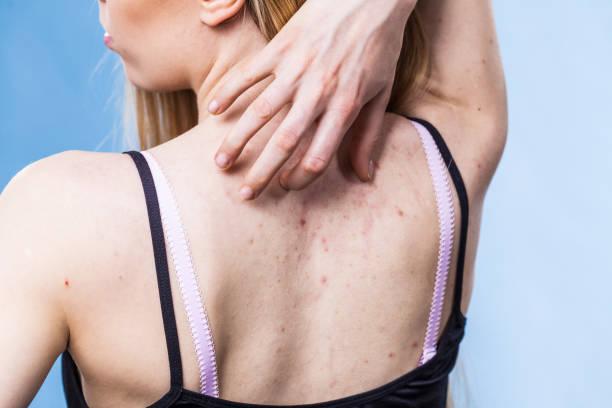
Back acne rarely behaves consistently. Skin may stay clear for weeks, then erupt suddenly without an obvious cause. This unpredictability frustrates patients more than the acne itself, because it makes progress feel unreliable. How to Treat Back Acne (كيفية علاج حب الشباب في الظهر) The reality is that flare-ups follow patterns—hormonal shifts, seasonal changes, friction, stress, and routine lapses all provoke them. Understanding How to Treat Back Acne during flare-ups means recognising what triggers them, responding appropriately rather than panicking, and using treatment options that calm skin instead of aggravating it.
What Actually Causes a Flare-Up
Hormonal Fluctuations
Menstrual cycles, pregnancy, perimenopause, and certain medications all influence oil production and follicle behaviour. These shifts often produce predictable, cyclical breakouts.
Sweat and Occlusion
Hot weather, intense training, or wearing tight clothing for extended periods traps sweat against the skin, creating ideal conditions for bacterial growth.
Friction and Pressure
Backpacks, straps, waistbands, and sports bras rub repeatedly against the same areas, producing acne mechanica in precisely those locations.
Routine Lapses
Missed evening treatments, skipped post-workout showers, or running out of a product allow congestion to build gradually until a flare appears.
Dietary Triggers
High-glycaemic foods and certain dairy products may contribute for some individuals, though responses vary considerably.
Stress and Sleep Disruption
Chronic stress raises cortisol, which increases oil production and inflammation. Poor sleep amplifies both effects.
Product Changes
Introducing new skincare, detergent, or hair products can trigger reactions that mimic or worsen acne.
Why Patterns Matter
Anyone researching How to Treat Back Acne should track when flare-ups occur. Patterns reveal triggers, and triggers can be managed.
Recognising the Stages of a Flare-Up
Early Warning Signs
Increased oiliness, tiny bumps along the shoulders, or a return of congestion near the bra line often signal an approaching flare.
Active Inflammation
Redness, tenderness, and visible blemishes indicate the flare is fully established. This is when gentle care matters most.
Peak Severity
Deep or painful lesions may develop if the flare is not managed. This stage carries the highest scarring risk.
Resolution Phase
Blemishes begin healing, but pigmentation and texture changes may persist. Protection during this phase prevents lasting marks.
Why Stage Recognition Helps
Different stages require different responses. Treating early warning signs prevents escalation; treating peak severity gently prevents scarring.
Responding to a Flare-Up Appropriately
Resist the Urge to Escalate
When breakouts worsen, the instinct is to add stronger products. This usually increases irritation rather than resolving the problem.
Simplify Your Routine
Reduce to essentials: gentle cleanser, one active treatment, and moisturiser. Complexity increases the chance of irritation during an already sensitive period.
Reduce Active Frequency
If skin is inflamed, use your active every second or third day rather than daily. Calming the skin resolves flares faster than pushing through.
Focus on Barrier Support
Panthenol, ceramides, niacinamide, and oatmeal calm irritation and support recovery. A Back acne treatment approach during flares should prioritise soothing over stripping.
Keep Hands Off
Picking and squeezing during a flare pushes bacteria deeper, increases inflammation, and creates scars. Hands-off discipline is essential.
Use Warm Compresses for Discomfort
For tense, painful lesions, a warm compress for a few minutes can encourage natural drainage and relieve pressure without squeezing.
Maintain Consistent Moisturising
Dehydrated skin heals more slowly and produces more oil. Lightweight, non-comedogenic lotion supports recovery.
Treatment Options Worth Considering
Salicylic Acid
Oil-soluble and pore-clearing. Effective for congestion and blackheads, and generally well tolerated at lower concentrations.
Benzoyl Peroxide
Reduces acne-causing bacteria and calms inflammation. Effective for inflammatory lesions, though it can bleach fabrics.
Adapalene and Retinoids
Normalise cell turnover and prevent new blockages. Adapalene is available without prescription; stronger options require professional guidance.
Azelaic Acid
Reduces bacteria, calms inflammation, and helps with pigmentation. An excellent choice for sensitive or reactive skin.
Niacinamide
Regulates oil and supports the barrier without drying. Pairs well with other actives and improves tolerance.
Chemical Exfoliants
Lactic and mandelic acids gently remove dead surface cells, preventing congestion without the friction damage of physical scrubs.
Prescription Options
Topical antibiotics, oral antibiotics, hormonal therapies, and isotretinoin are available for persistent or severe cases. These require professional supervision.
Professional Procedures
Chemical peels, laser therapy, and drainage of deep lesions can accelerate clearing. These are typically combined with a home routine.
Lifestyle Adjustments During Flare-Ups
Prompt Post-Sweat Rinsing
Rinse within thirty minutes of sweating. Trapped sweat worsens existing blemishes and encourages new ones.
Breathable, Loose Clothing
Reduce friction and heat by choosing cotton or moisture-wicking fabrics. Avoid tight straps and synthetic materials.
Fresh Bedding and Towels
Clean linens reduce bacterial exposure. Wash weekly in hot water with fragrance-free detergent and skip fabric softener.
Hair Product Management
Rinse conditioner thoroughly and wash hair before your body. Residue is a common and overlooked trigger.
Dietary Considerations
Reducing refined sugars and processed foods may help. Some individuals also notice improvement when limiting high-dairy intake.
Sleep and Stress Management
Adequate rest and deliberate relaxation reduce cortisol, which supports faster resolution of flares.
Hydration
Water supports circulation, lymphatic function, and skin repair. Keep intake consistent throughout the day.
Preventing Future Flare-Ups
Identify Your Personal Triggers
Keep a simple log of breakouts alongside habits, clothing, workouts, and hormonal timing. Patterns emerge within weeks.
Maintain Your Routine Consistently
Acne is often chronic, so maintenance prevents relapse. Reduce frequency rather than stopping entirely when skin clears.
Adjust With Seasons
Humidity increases oil production; winter dryness weakens the barrier. Adapt your routine rather than keeping it static.
Plan Around Known Triggers
If you know a hormonal flare is approaching, increase consistency with treatment during that window rather than scrambling afterward.
Review Products Periodically
Skin changes with age, hormones, and environment. Reassess whether your current routine still suits your skin.
Seek Professional Support When Needed
Persistent or severe breakouts benefit from professional assessment. There is no advantage to struggling alone.
When to Seek Professional Help
Persistent Breakouts Despite Good Care
If breakouts continue after eight to twelve weeks of consistent treatment, prescription options may be necessary.
Deep or Painful Lesions
Nodular acne requires professional care and carries higher scarring risk. Early intervention protects skin texture.
Suspected Fungal Acne
Itchy, uniform breakouts may respond to antifungal treatment rather than standard acne therapies.
Hormonal Patterns
Breakouts following a hormonal rhythm may benefit from targeted therapies. A Back acne treatment plan should address the underlying driver, not just the visible lesions.
Scarring or Pigmentation Concerns
Once active acne is controlled, professional treatments can improve texture and marks left behind.
Final Thoughts: Flare-Ups Are Manageable
Back acne flare-ups feel unpredictable, but they follow patterns that can be identified and managed. Recognise the stage, respond gently rather than aggressively, support the barrier, and address triggers consistently. Understand How to Treat Back Acne as a process of pattern recognition and patient care, and flare-ups become shorter, milder, and less frequent over time.
For those seeking expert guidance and customized aesthetic care, you can book an appointment consultation at the 'Enfield Royal Riyadh(إنفيلد رويال الرياض).
FAQs
Why does my back acne suddenly flare up?
Common triggers include hormonal shifts, trapped sweat, friction from clothing, routine lapses, stress, and dietary changes.
What should I do during a flare-up?
Simplify your routine, reduce active frequency, focus on barrier support, and avoid picking or squeezing.
Should I use stronger products during a flare-up?
No, escalating treatment usually worsens irritation. Gentler, consistent care resolves flares faster.
How long does a flare-up typically last?
With appropriate care, most flares settle within one to three weeks, though pigmentation may persist longer.
When should I see a dermatologist?
If breakouts persist after eight to twelve weeks of consistent care or if deep, painful lesions develop.

 English
 French
 Spanish
 Portuguese
 Deutsch
 Turkish
 Dutch
Dutch
 Italiano
 Russian
 Romaian
 Portuguese (Brazil)
 Greek
Greek