


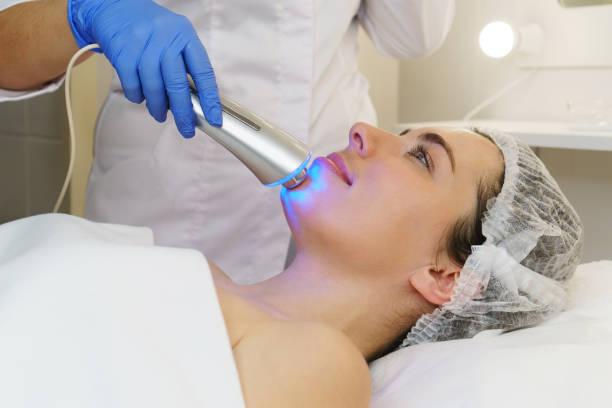
Most skincare products work on the surface. They hydrate, soothe, and temporarily improve appearance, but they cannot reach the deeper structures that determine how skin actually behaves. Laser Clinic in Riyadh(عيادة ليزر في الرياض) Laser treatments work differently. They deliver controlled energy beneath the surface to address pigmentation, stimulate collagen, reduce redness, and improve texture at the source. Understanding Laser Clinic in Riyadh treatments properly means understanding that these procedures create genuine change in skin quality rather than temporary cosmetic cover.
Why Laser Treatments Produce Real Change
They Reach Below the Surface
Topical products penetrate only the outermost layers. Laser energy reaches the dermis and deeper structures where collagen, pigment cells, and blood vessels reside.
They Stimulate Collagen Production
Many laser treatments trigger the skin's natural repair response, stimulating fibroblasts to produce new collagen. This improves firmness, texture, and overall skin quality over months.
They Target Specific Structures
Different wavelengths are absorbed by specific targets—melanin, haemoglobin, or water. This allows precise treatment of pigmentation, redness, or texture without damaging surrounding tissue.
Results Develop Gradually
Collagen remodelling continues for months after treatment. Improvement is progressive rather than immediate, which produces natural-looking change.
Why This Matters
Anyone researching Laser Clinic in Riyadh services should understand that lasers address skin quality, not just appearance.
Addressing Pigmentation and Uneven Tone
Common Concerns
Sun spots, age spots, freckles, melasma, and post-inflammatory hyperpigmentation from acne or injury.
How Lasers Help
Q-switched and picosecond lasers break down melanin particles, which the body then clears gradually. IPL and certain fractional lasers also address pigmentation across broader areas.
Realistic Expectations
Most pigmentation responds well. Melasma is more stubborn and typically requires ongoing maintenance rather than complete resolution.
Important Considerations
Darker skin tones require careful device and setting selection to avoid post-inflammatory hyperpigmentation.
Why This Matters
Pigmentation treatment demands accurate diagnosis, because different types respond very differently to the same device.
Reducing Redness and Vascular Concerns
Common Concerns
Facial flushing, broken capillaries, rosacea-related redness, and diffuse facial redness.
How Lasers Help
Vascular lasers target haemoglobin in blood vessels, causing them to coagulate and gradually fade. Pulsed dye and certain KTP lasers are commonly used.
Realistic Expectations
Visible vessels often respond well. Diffuse redness from rosacea typically improves but may require maintenance sessions.
Important Considerations
Rosacea triggers—heat, spicy food, alcohol, stress—should be managed alongside treatment for best results.
Why This Matters
Vascular concerns require different devices than pigmentation, which is why accurate assessment before treatment is essential.
Improving Skin Texture and Fine Lines
Common Concerns
Fine lines, crepiness, enlarged pores, and overall skin quality.
How Lasers Help
Non-ablative and fractional lasers stimulate collagen remodelling beneath the surface, improving texture and firmness over several months.
Realistic Expectations
Texture and fine lines improve noticeably with multiple sessions. Significant laxity requires surgical assessment rather than laser treatment.
Important Considerations
Results develop gradually. Collagen takes months to mature, so patience is essential.
Why This Matters
A Best laser clinic will explain the difference between skin quality and tissue laxity rather than promising surgical-level tightening from a laser.
Treating Acne and Acne Scarring
Common Concerns
Active inflammatory acne, post-acne redness, atrophic scarring, and textural irregularities.
How Lasers Help
Certain lasers reduce acne bacteria and inflammation. Fractional and ablative lasers resurface skin and stimulate collagen to improve scarring.
Realistic Expectations
Active acne can be reduced. Scarring improves significantly but rarely disappears completely.
Important Considerations
Scar treatment should begin after active acne is controlled. Treating scars while new breakouts continue produces limited results.
Why This Matters
Sequencing matters. A Laser Clinic in Riyadh that plans treatment order carefully produces better cumulative outcomes.
Addressing Sun Damage and Overall Skin Quality
Common Concerns
Dullness, uneven tone, rough texture, and cumulative sun damage.
How Lasers Help
IPL and fractional lasers address multiple aspects of sun damage simultaneously, improving tone, texture, and clarity.
Realistic Expectations
Most patients see meaningful improvement in overall skin quality after a series of treatments.
Important Considerations
Continued sun protection determines how long results last. Without it, damage recurs.
Why This Matters
Sun damage is cumulative. Treatment helps only if further damage is prevented.
How Lasers Differ From Other Treatments
Precision and Selectivity
Lasers target specific structures while sparing surrounding tissue, addressing concerns that creams and peels cannot reach effectively.
Gradual Results
Most treatments require multiple sessions spaced weeks apart. Collagen remodelling continues for months afterward.
Minimal Downtime for Many Procedures
Many treatments involve little to no downtime, though resurfacing procedures require recovery time.
Not a Substitute for Surgery
Lasers improve skin quality. They do not lift tissue, remove excess skin, or replace surgical contouring.
Why This Matters
Understanding what lasers can and cannot do prevents disappointment and helps you choose the right treatment.
What Happens During Treatment
Consultation and Assessment
Your skin type, concern, and medical history are evaluated before any treatment is recommended.
Patch Testing
A small test patch reveals how your skin responds before full treatment.
The Session Itself
The area is cleaned, eye protection is provided, and the device is guided across the treatment area. Sensations vary from warmth to brief snapping.
Duration
Sessions range from a few minutes to an hour or more, depending on the area and treatment.
Immediate Aftercare
Cooling, soothing gel, or gentle moisturiser may be applied. Sun protection is emphasised for most treatments.
Why This Matters
Understanding the session experience reduces anxiety and helps you prepare appropriately.
Preparing for Better Results
Avoid Sun Exposure
Stay out of direct sun for at least two weeks before treatment.
Pause Photosensitising Products
Retinoids, strong acids, and certain acne treatments should be discontinued as advised.
Disclose All Medications
Blood thinners, photosensitising drugs, and supplements all affect safety.
Arrive With Clean Skin
Avoid makeup and lotions on the treatment area unless instructed otherwise.
Plan Downtime
Some treatments involve several days of redness or flaking. Plan accordingly.
Why This Matters
Preparation influences both safety and results.
Aftercare That Protects Your Investment
Strict Sun Protection
Treated skin is photosensitive. Broad-spectrum sunscreen and protective clothing are essential.
Gentle Cleansing
Use a mild, fragrance-free cleanser and lukewarm water.
Moisturise Regularly
Barrier support accelerates healing and reduces pigmentation risk.
Avoid Harsh Ingredients
Retinoids, acids, and exfoliants should be reintroduced only when cleared.
Do Not Pick or Scratch
Allow any flaking or crusting to shed naturally.
Why This Matters
Aftercare determines whether results meet expectations and whether complications develop.
Choosing a Qualified Provider
Credentials and Training
Ask about specific training in laser treatments and experience with your concern.
Device Quality and Maintenance
Well-maintained equipment produces safer, more consistent results.
Thorough Consultation
A clinic that rushes consultation or skips patch testing is prioritising volume over safety.
Representative Results
Ask to see outcomes in patients with similar skin types and concerns.
Clear Aftercare Guidance
Detailed instructions indicate a practice invested in outcomes.
Why This Matters
Operator skill often matters more than the device itself.
When to Seek Professional Help
Persistent or Worsening Redness
Redness that intensifies rather than subsides warrants assessment.
Blistering or Unusual Swelling
These require prompt professional evaluation.
Signs of Infection
Increasing redness, warmth, discharge, or fever require immediate attention.
Unusual Pigmentation Changes
Darkening or lightening should be reported so adjustments can be made.
Why This Matters
Early intervention resolves most complications quickly.
Final Thoughts: Real Change Takes Time
Laser treatments offer genuine improvement in skin quality—pigmentation, redness, texture, and scarring all respond to appropriate technology applied by qualified practitioners. Results develop gradually, require proper preparation and aftercare, and depend on realistic expectations. Understand Laser Clinic in Riyadh treatments as a clinical process rather than a quick fix, and your skin will reflect that patient, informed approach.
For those seeking expert guidance and customized aesthetic care, you can book an appointment consultation at the 'Enfield Royal Riyadh(إنفيلد رويال الرياض).
FAQs
What skin concerns can laser treatments address?
Pigmentation, redness, rosacea, acne, acne scarring, fine lines, texture, sun damage, and hair reduction.
How many sessions will I need?
Most treatments require multiple sessions spaced several weeks apart, depending on the concern.
Are results permanent?
Some results last years; others, particularly melasma and hormonal hair growth, require maintenance.
Is laser treatment safe for darker skin tones?
Yes, with appropriate device selection and conservative settings to avoid pigmentation changes.
When will I see results?
Some improvement appears within weeks, but full results develop over several months as collagen remodels.

 English
 Arabic
 French
 Spanish
 Portuguese
 Turkish
 Dutch
Dutch
 Italiano
 Russian
 Romaian
 Portuguese (Brazil)
 Greek
Greek