


Key Factory Processes Behind Consistent Baking Materials
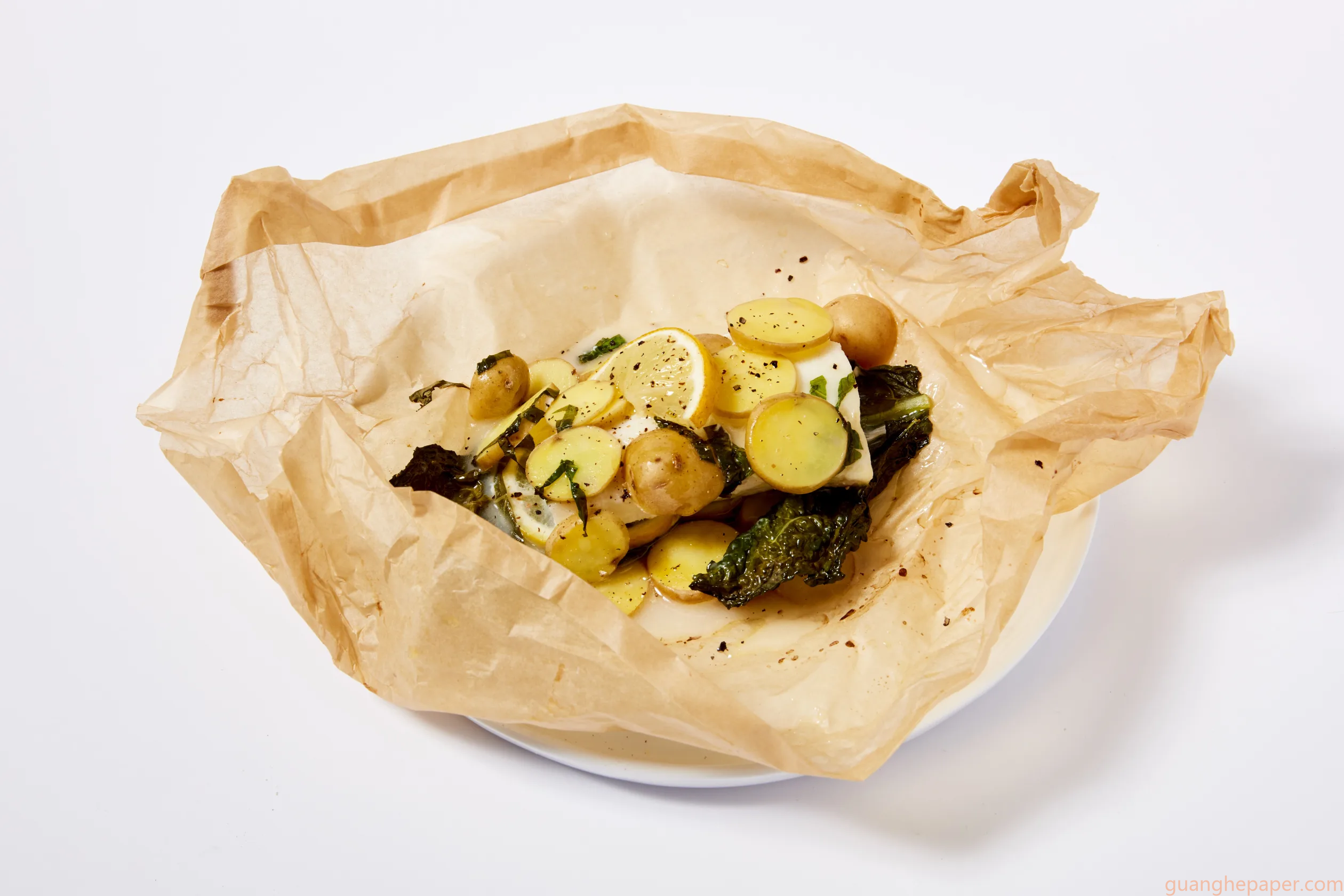
A modern Baking Paper Factory brings multiple production stages together to manufacture paper materials for baking and food preparation. Base paper selection, silicone coating, slitting, cutting, inspection, and packaging each have a role in determining the characteristics of the finished product. For commercial buyers, understanding this complete workflow can make factory evaluation more practical and provide a clearer view of manufacturing capabilities.
The process begins with the base paper. The substrate provides the physical foundation for later coating and converting, so its surface condition, fiber structure, formation, and dimensional stability need to be considered. Consistent raw materials can help maintain predictable processing conditions and reduce unnecessary variation between production batches. Material selection should be connected to the intended application and finished product format.
Silicone coating is one of the key stages in baking paper production. The functional coating is applied to the paper surface under controlled conditions and then processed through appropriate curing. Uniform coverage is important because differences across the surface can influence handling and food release characteristics. Manufacturers therefore need to manage application conditions, curing, equipment stability, and compatibility between the substrate and coating.
The connection between substrate and coating is particularly important in an integrated factory. Changes in the base paper can influence coating behavior, while coating conditions can affect the final surface. Coordinated production allows manufacturers to monitor these relationships more closely and make adjustments when necessary. This can support more stable production when supplying different product formats or recurring customer orders.
After coating, the jumbo rolls enter the converting stage. Slitting equipment can divide large rolls into narrower widths, while cutting equipment can produce individual sheets. Additional processes may be used to create liners or other formats for specific applications. Accurate converting helps finished paper fit different baking trays, preparation areas, commercial equipment, and established production workflows.
Production flexibility is valuable when serving business customers with different requirements. Some bakeries may prefer rolls because they can cut material according to daily production needs. Other customers may require pre-cut sheets for faster preparation. Food processors can need particular dimensions or packaging configurations that correspond with their equipment. An integrated factory can coordinate these requirements across coating and converting operations.
Inspection provides an important layer of manufacturing control. Factory teams can check substrate appearance, coating condition, surface uniformity, dimensions, edge quality, roll winding, and packaging integrity. Monitoring these characteristics during production can help identify variations before finished products are shipped. Consistent inspection procedures can also support repeat orders where customers expect comparable characteristics across different batches.
Packaging protects the finished material during storage and distribution. Once rolls and sheets leave the production line, they may pass through warehouses and transportation networks before reaching the final customer. Appropriate packaging helps reduce exposure to contamination, moisture, compression, and physical damage. Organized packaging can also simplify inventory management by distinguishing different product sizes and formats.
For international buyers, factory evaluation can include production organization, inspection procedures, documentation, packaging practices, and communication. When specific food-contact or market requirements apply, buyers should confirm the relevant documentation for the exact product and intended application. Product-specific verification provides clearer information for purchasing decisions.
An integrated manufacturing structure can also support customized requirements. Buyers may request particular roll widths, sheet dimensions, packaging configurations, or other product arrangements. When coating, converting, inspection, and packaging are coordinated within one production system, these requirements can be managed with greater process continuity.
For companies evaluating a Baking Paper Factory, the complete production workflow provides useful information beyond the finished product itself. Guanghe's food paper manufacturing process covers base paper, silicone coating, slitting, cutting, inspection, and packaging for baking and food preparation applications. Buyers can explore available product formats at https://www.guanghepaper.com/product/ and discuss suitable specifications, customization requirements, and packaging options according to their applications.

 English
 Arabic
 French
 Spanish
 Portuguese
 Deutsch
 Turkish
 Dutch
Dutch
 Italiano
 Russian
 Portuguese (Brazil)
 Greek
Greek