


Haibo Doors PVC Door Factory for Distributors and Builders
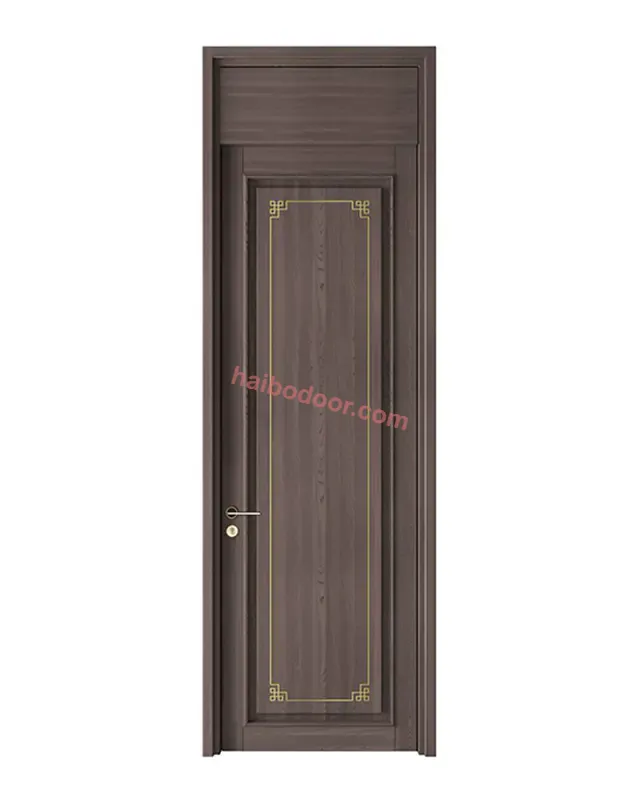
Can a PVC Door Factory Print My Brand Logo on Door Panels and Frames? Haibo Answers
Distributors, builders, and retail chains often face the same problem when sourcing doors overseas. The product arrives looking identical to what competitors sell, and nothing on the door tells customers where it came from. Brand identity matters in building materials just as it does in consumer goods, and doors sit in visible places where names get noticed. A PVC Door Factory can print brand marks on door panels and frames, turning a generic product into something a distributor can call their own. Zhejiang Haibo Door Co., Ltd., known through haibodoor, handles this kind of work for clients across several continents. So how does logo printing on PVC doors actually happen?
Printing on PVC differs from printing on paper or fabric. The surface resists ink absorption, so factories rely on methods that bond color to the material rather than soak into it. Heat transfer printing suits flat panel surfaces and reproduces detailed artwork with consistent results. Screen printing works well for simpler marks in solid colors. Film lamination places a printed layer beneath a protective skin, which keeps the logo safe from scratching and cleaning. Each method suits different order volumes and design complexity, and a factory selects the approach based on what the client needs.
Frames present their own challenges. A logo may appear on the door edge, the architrave, or the hinge side. These areas receive frequent contact, so the print must resist rubbing and moisture. Haibo applies finishes that hold up under daily use in bathrooms, kitchens, and commercial corridors. Placement decisions also affect visibility, and factories often advise clients on where a mark reads clearly without disrupting the door design.
Private label production extends beyond logos. Distributors may request specific colors, wood grain patterns, panel profiles, or packaging that carries their brand. Haibo offers customization across size, color, and finish, which allows clients to build a door line that matches their catalog. Packaging matters too, since cartons printed with a distributor name reinforce identity before the door reaches a job site.
Order quantities shape what is feasible. Full custom tooling suits larger programs, while smaller buyers may choose from existing profiles and apply their brand through printing or labels. Haibo works with clients at various stages, from first trial orders to repeating container loads, and documents each specification so that reorders match earlier shipments.
Certifications support distributors who face their own compliance requirements. Haibo holds ISO, CE, and FSC credentials, and products meet SABER standards for certain markets. These documents help buyers clear customs and satisfy retail and project requirements. A branded door still needs to perform, and certification provides evidence that it does.
Applications for branded PVC doors appear across many settings. Hotels want doors that match interior design schemes. Property developers want consistent finishes across apartment buildings. Retailers want packaging and product marks that build recognition over time. Each buyer brings different expectations, and factories that handle customization well can serve all of them.
Builders and distributors exploring branded door programs can review product lines at https://www.haibodoor.com, where Haibo outlines its PVC interior door range and customization services. The company welcomes inquiries from buyers who want a PVC Door Factory to print logos on panels, frames, or packaging, and its team can discuss designs, order quantities, and production schedules that fit a given market.
 Dutch
Dutch
 English
 Arabic
 French
 Spanish
 Portuguese
 Deutsch
 Turkish
 Italiano
 Russian
 Romaian
 Portuguese (Brazil)
 Greek
Greek