


Car Valet Explained: What's Included, What It Costs, Why It Matters
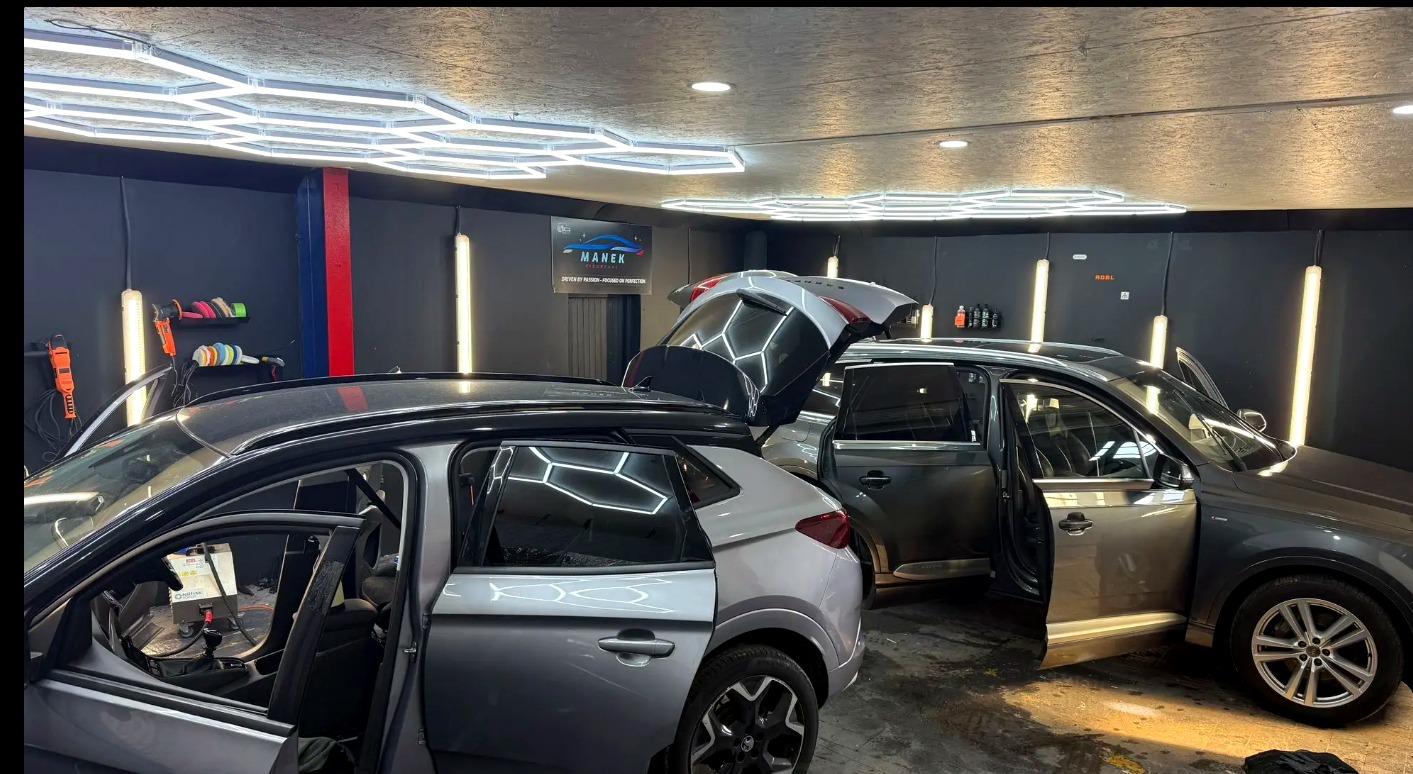
Car Valet: What's Actually Involved and Why It Pays Off
A car valet goes well beyond a quick rinse at the local wash. It's a structured process covering paintwork, wheels, glass, carpets, and upholstery, aimed at restoring a car's condition rather than just removing surface dirt. As drivers keep vehicles longer and rely more on resale value to offset the cost of replacing them, understanding what a proper valet includes, and what separates a careful provider from a rushed one, has become genuinely useful knowledge rather than a nice-to-have.
What a Car Valet Actually Covers
Most providers split the work into exterior and interior stages, often offering a standard package and a more thorough deep-clean tier.
Exterior Stage
-
Pre-wash or snow foam to loosen dirt before any contact touches the paint
-
Two-bucket hand wash to reduce the risk of fine scratching
-
Wheel and arch cleaning, usually the dirtiest area on the car
-
Tar and iron fallout removal from the paint surface
-
Microfibre drying rather than leaving panels to air-dry
-
Wax or sealant application for shine and short-term protection
Interior Stage
-
Full vacuum of seats, carpets, boot space, and door pockets
-
Upholstery or carpet shampoo, matched to the material
-
Dashboard and trim cleaning with surface-appropriate products
-
Interior glass cleaning, which a standard wash never reaches
-
Odour treatment, useful for pet owners or smokers' cars
What a Full Valet Adds
A full valet typically goes further with engine bay cleaning, headlight restoration, leather conditioning, and clay bar decontamination to lift bonded contaminants that washing alone cannot shift.
The Product Detail Most Valet Guides Skip
One detail separates a paint-safe wash from one that slowly dulls a car's finish: shampoo pH. Detailers generally treat a pH close to 7 as the safe zone, with most quality car shampoos falling somewhere between roughly 6.5 and 8. Formulas above that range clean more aggressively but can strip wax, sealant, or a ceramic coating faster than intended. A provider using a neutral or near-neutral shampoo for routine washing, and reserving stronger alkaline pre-washes only for heavy grease and road grime, is following the same standard professional detailers rely on. If a valet business can't tell you the type of shampoo they use or whether it's coating-safe, that's a reasonable prompt to ask more questions before booking.
Why Regular Valeting Matters More Than It Looks
Protecting Paintwork Long Term
Bird droppings, tree sap, and road grime are acidic and can etch into clear coat if left too long. Regular valeting removes these before they cause lasting marks, which is far cheaper than correcting faded or damaged paint later.
Supporting Resale Value
A clean, odour-free interior has an outsized effect on how a buyer or dealer values a car, since stains and smells are harder to look past than minor cosmetic wear.
Health Inside the Cabin
Carpets and upholstery trap dust, allergens, and bacteria over time. Interior valeting reduces this build-up, which matters for anyone commuting long hours or driving with passengers who have allergies.
Catching Problems Early
A close valet often reveals small issues, a stone chip, a cracked light lens, a loose trim clip, before they become costlier repairs.
Mobile Valeting vs Fixed-Site Valeting
Mobile Services
A mobile valet arrives at your home, office, or workplace car park with water tanks and equipment on board. This suits people with limited free time or no easy access to a valeting bay.
Fixed-Site Bays
Static locations often have pressure washers, covered bays, and steam equipment that's harder to run from a mobile setup, which can matter for heavily soiled interiors or paint correction work.
Choosing Between Them
-
Time available — mobile suits a tight schedule
-
Depth of work needed — fixed sites suit deeper correction jobs
-
Weather and space — mobile valets need suitable conditions on the day
-
Local water and drainage rules — some areas restrict where mobile valeting can take place
Adapting Valet Frequency to Local Conditions
Climate and driving environment change how often a car actually needs attention. Dusty roads, high pollen seasons, coastal salt air, or winter road salt all accelerate grime build-up on paint and wheels, and providers in these conditions often recommend shorter intervals between washes than in milder, drier areas. A car parked outdoors in direct sun needs more frequent interior trim protection, so a car valet near me can help protect plastics and dashboards from faster UV fading.
What to Check Before Booking a Valet
Products and Method
Ask whether the two-bucket wash method and pH-neutral shampoo are standard practice. Single-bucket washing and harsh detergents are common causes of fine swirl marks.
Insurance and Accountability
A professional valet business should carry liability insurance in case of accidental damage, worth confirming before handing over keys, particularly for higher-value vehicles.
Clear Pricing
Reputable providers list exactly what each package includes rather than quoting a single vague price, and avoid adding surprise upsells at collection.
Genuine Customer Reviews
Detailed feedback with specific results, ideally with before-and-after photos, carries more weight than generic star ratings.
Interior Materials Need Different Treatment
Leather needs cleaning and conditioning products designed specifically for it; standard fabric shampoo can dry it out and cause cracking over time. Fabric seats respond well to hot water extraction, which lifts embedded dirt rather than pushing it deeper. Interior plastics benefit from UV-protective dressing to slow fading from sunlight through the windscreen and side windows.
Common Mistakes Car Owners Make
-
Washing with dish soap, which strips wax and protective coatings
-
Focusing only on exterior shine while ignoring interior wear
-
Skipping wax or sealant reapplication, leaving paint unprotected
-
Booking the cheapest option without checking what's included
-
Letting stains sit too long, making them far harder to remove fully
Frequently Asked Questions
How often should a car actually be valeted?
Light daily use generally needs a wash every couple of weeks and a full valet every few months. Heavier use, family cars, pets, harsh climates, calls for more frequent interior attention.
Is a car valet worth it before selling a car?
Yes. Interior condition in particular has a strong effect on perceived value, since buyers notice stains and odours faster than minor exterior wear.
What's the difference between a wash and a full valet?
A wash cleans the exterior surface. A full valet covers paintwork, wheels, interior upholstery, trim, glass, and often decontamination and conditioning that a wash never touches.
Want to read more?? If yes then go here
Final Thoughts
A car valet does more than make a vehicle look presentable for a day. Done properly, with the right products and a genuine two-stage process, it protects paintwork, preserves interior materials, supports resale value, and catches small problems before they turn into expensive ones. Checking a provider's methods, insurance, and pricing before booking takes a few minutes and is worth every bit of it.

 English
 Arabic
 French
 Spanish
 Portuguese
 Turkish
 Dutch
Dutch
 Italiano
 Russian
 Romaian
 Portuguese (Brazil)
 Greek
Greek