


Fiber Laser Cleaning Machine: Modern Surface Cleaning for Industry
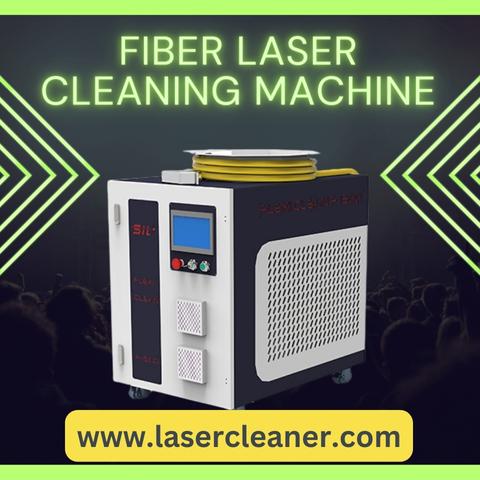
Surface preparation plays an important role in manufacturing, repair, maintenance, and metalworking. Rust, paint, oil, oxidation, dust, and other unwanted layers can affect the appearance and performance of metal components. Traditional cleaning methods may require chemicals, abrasive materials, or extensive manual work. A fiber laser cleaning machine provides a modern approach by using focused laser energy to remove unwanted surface contaminants while allowing operators to work with greater control.
As industries continue to look for cleaner and more precise production methods, laser cleaning technology has become increasingly relevant. From workshops and automotive facilities to industrial manufacturing plants, this technology can be used for a wide range of surface treatment applications.
What Is a Fiber Laser Cleaning Machine?
A fiber laser cleaning machine is an industrial cleaning system that uses a fiber laser source to remove contaminants from a material's surface. Instead of relying on physical contact with brushes or abrasive media, the system directs concentrated laser energy toward the target area.
When the laser interacts with unwanted material, the energy can loosen, vaporize, or eject contaminants from the surface. The process can be adjusted according to the material being treated and the type of contamination present.
The technology is commonly used on metals such as steel, stainless steel, aluminum, copper, and various industrial components. With suitable settings, operators can target specific areas without treating the entire workpiece.
How Laser Cleaning Works
The cleaning process begins by directing the laser beam toward the contaminated surface. The laser parameters are selected according to the material, contamination, and desired cleaning result.
The laser energy interacts primarily with the unwanted layer. Depending on the application, rust, paint, oxide layers, grease, or other deposits absorb the energy and separate from the underlying surface.
A scanning system moves the laser beam across the selected area. This creates a controlled cleaning pattern and allows operators to cover larger surfaces efficiently. The process can be performed manually with handheld equipment or integrated into automated production systems.
Because the cleaning parameters can be adjusted, users can work with different materials and contamination levels. Proper testing and parameter selection remain important before processing valuable or sensitive components.
Removing Rust From Metal Surfaces
Rust removal is one of the most common applications for laser cleaning equipment. Metal parts exposed to moisture and oxygen can develop oxidation that affects their appearance and condition.
A fiber laser cleaning machine can direct energy onto the rust layer and remove it from the surface. This makes the technology suitable for machinery components, tools, metal structures, automotive parts, molds, and restoration projects.
For workshops that regularly handle rusty components, laser cleaning can provide a controlled method for preparing surfaces before further processing. After cleaning, the treated component can be inspected, repaired, painted, coated, or welded according to the production requirements.
Paint and Coating Removal
Industrial components may require the removal of old paint or coatings before maintenance, repair, welding, or refinishing. Conventional methods can involve sanding, grinding, or chemical stripping.
Laser cleaning offers another approach by directing concentrated energy onto the coating. The unwanted layer can be separated from the underlying material when appropriate laser parameters are used.
This application is particularly useful for localized treatment. Operators can clean selected sections of a component instead of processing the entire surface. This can be helpful when preparing repair areas or removing coatings around specific joints and components.
Cleaning Oil, Grease, and Industrial Contamination
Manufacturing environments often produce components covered with oil, grease, carbon deposits, dust, and other residues. Before welding, coating, inspection, or assembly, these contaminants may need to be removed.
Laser cleaning can be used for certain types of surface contamination when the laser wavelength, power, scanning speed, and other parameters are properly selected.
The process allows operators to target contaminated areas without direct mechanical contact. This can be useful for parts with grooves, edges, and complex surface structures where manual cleaning can require additional time.
Applications in Automotive Manufacturing
The automotive sector uses numerous metal components that require cleaning during production and maintenance. Laser cleaning can be applied to molds, engine components, tools, brake components, metal parts, and selected production surfaces.
For example, a component may need to be cleaned before welding or coating. Removing unwanted residue from the working area can help prepare the surface for the next manufacturing stage.
Laser systems can also be incorporated into production environments where repeatable cleaning processes are required. Automated configurations can move the laser according to programmed paths, supporting consistent treatment of specific components.
Preparation for Welding and Fabrication
Clean surfaces are important when preparing metals for welding. Rust, paint, oil, and oxidation can interfere with the welding area and make surface preparation necessary.
A fiber laser cleaning machine can be used to prepare selected areas before welding. The operator can focus the cleaning process on the required region, helping create a cleaner working surface.
This is relevant for fabrication shops, metalworking businesses, equipment manufacturers, and maintenance operations. Depending on the material and contamination, laser parameters can be adjusted to achieve the required surface condition.
Mold and Tool Maintenance
Industrial molds and tools can accumulate residue during repeated production cycles. Cleaning them regularly is important for maintaining production quality and preparing them for continued use.
Laser cleaning technology can be used for selected mold and tool cleaning applications. Since the laser works without direct contact, it can reach areas that may be difficult to treat with conventional mechanical tools.
For maintenance teams, this can make laser technology a useful addition to workshop cleaning processes, particularly when precise treatment is required.
Portable and Handheld Laser Cleaning Systems
Many modern laser cleaning machines are designed in portable or handheld configurations. These systems can be moved between workstations and used directly on large components.
A handheld fiber laser cleaning machine can be suitable for maintenance teams that work with different machines, structures, and metal parts. Instead of transporting every large component to a dedicated cleaning area, the cleaning equipment can be brought to the workpiece.
Portable systems are available with different power levels and configurations. Choosing the correct specification depends on the contamination type, material, cleaning speed, work area, and intended workload.
Selecting the Right Cleaning Equipment
Before purchasing a laser cleaning machine, businesses should consider the materials they commonly process and the contaminants they need to remove.
Laser power is one important factor, but it should not be considered alone. The laser source, scanning system, working distance, beam configuration, cooling method, control system, and overall machine design can all influence the cleaning process.
It is also important to consider the size and type of components being treated. A workshop handling small metal parts may have different requirements from a factory cleaning large industrial structures.
Testing the machine on representative samples can help users determine suitable operating parameters before introducing the equipment into regular production.
Safety and Workplace Preparation
Laser cleaning equipment should always be operated according to the manufacturer's instructions and applicable laser safety requirements. Industrial laser systems can present serious hazards if used incorrectly.
The workspace should be appropriately controlled, and operators should receive suitable training. Depending on the system and application, protective equipment, extraction systems, barriers, warning signs, and other safety measures may be required.
The cleaning process can also produce fumes or airborne particles from removed contaminants. Proper ventilation or fume extraction should therefore be considered as part of the overall installation.
Growing Role of Laser Cleaning Technology
As manufacturing becomes more focused on precision, productivity, and controlled surface preparation, laser cleaning continues to attract attention from different industries.
The technology can be adapted to applications ranging from rust removal and paint stripping to component preparation and industrial maintenance. With different laser powers, configurations, and scanning options available, businesses can select equipment according to their specific cleaning requirements.
A well-selected fiber laser cleaning machine can become part of a broader production or maintenance workflow rather than simply serving as a standalone cleaning tool.
Final Thoughts
Modern surface preparation requires accuracy, consistency, and careful control. Laser cleaning technology provides manufacturers and maintenance professionals with a specialized method for removing unwanted surface layers from many industrial materials.

 English
 Arabic
 French
 Spanish
 Portuguese
 Deutsch
 Turkish
 Dutch
Dutch
 Italiano
 Russian
 Portuguese (Brazil)
 Greek
Greek