


Lower Back Pain Dubai: The Importance of Movement Therapy
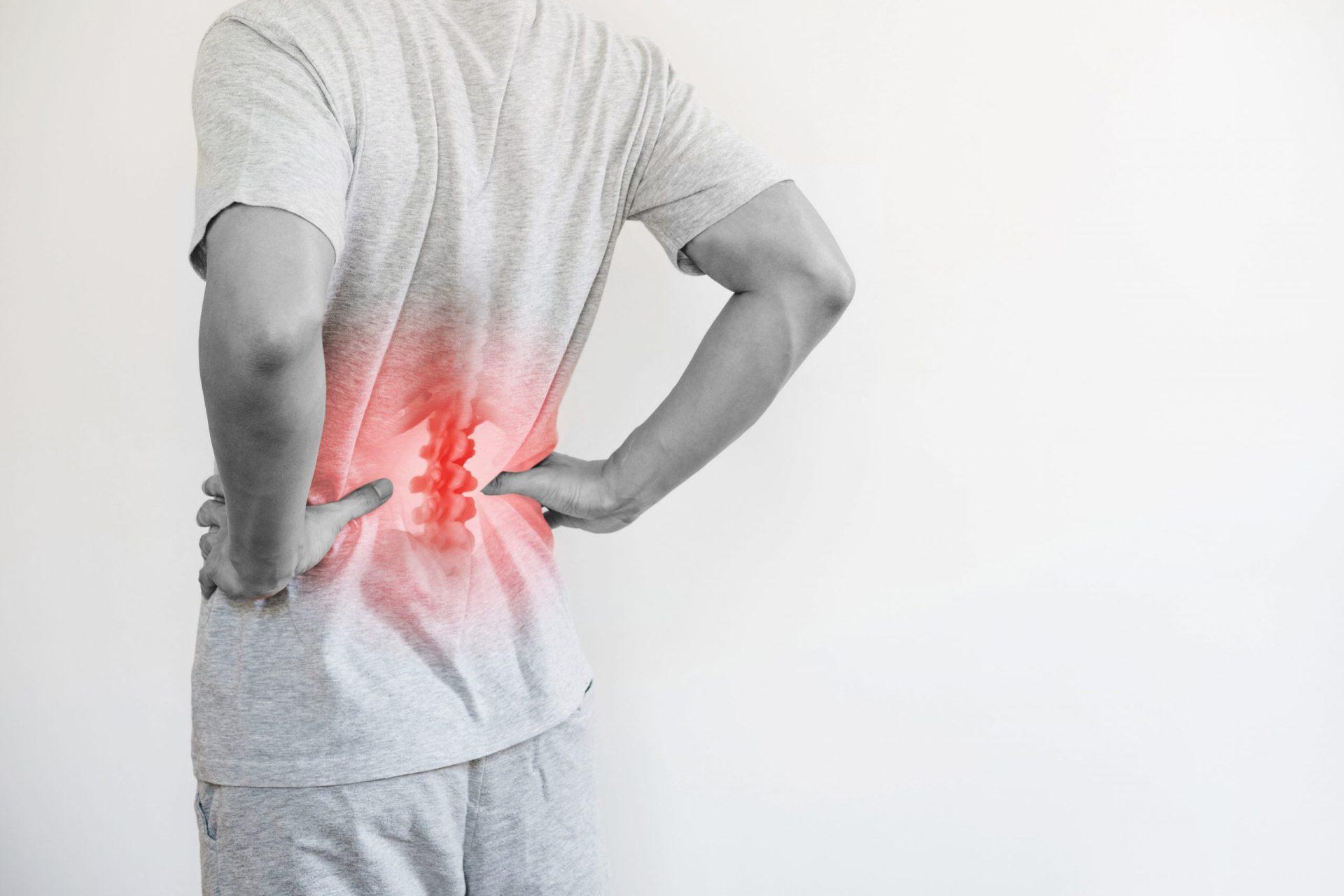
Lower back pain is one of the most common physical complaints and can affect people with very different lifestyles. Office workers may experience discomfort after prolonged sitting, while active individuals may develop symptoms following exercise, lifting, or repetitive movements. Stiffness and pain can also make simple activities such as walking, bending, driving, or getting out of bed more difficult.
Modern physiotherapy increasingly emphasizes active rehabilitation and movement rather than relying only on passive treatments. Structured exercise can help improve physical capacity, movement, and function in people with persistent low back pain.
For individuals seeking Lower Back Pain Dubai treatment, movement therapy can provide a personalized pathway toward improved mobility and everyday function. At Vitruvian Italian Physiotherapy Center, physiotherapy can be tailored according to the individual's symptoms, physical abilities, lifestyle, and recovery goals.
Understanding Lower Back Pain
Lower back pain can develop for many different reasons. Muscle strain, prolonged inactivity, repetitive movements, reduced strength, changes in movement patterns, and certain spinal conditions may all contribute to discomfort.
Symptoms may include:
- Aching or stiffness in the lower back
- Discomfort during bending or lifting
- Pain after prolonged sitting
- Reduced flexibility
- Difficulty standing for extended periods
- Discomfort during walking
- Muscle tightness
- Pain that changes with movement or position
Some people experience short episodes that improve with time, while others may experience recurring or persistent symptoms.
Because the underlying factors can differ considerably, Lower Back Pain Dubai treatment should be based on an appropriate assessment rather than applying the same exercise program to every individual.
What Is Movement Therapy?
Movement therapy is a structured approach that uses carefully selected physical movements and exercises to improve mobility, strength, coordination, endurance, and functional control.
Rather than simply avoiding movement because of discomfort, the goal is to identify appropriate movements and gradually develop the body's ability to perform them.
Clinical guidelines support exercise-based interventions for low back pain, including strengthening, endurance training, trunk activation, aerobic exercise, general exercise, and movement-control exercises.
A movement-based rehabilitation program may therefore include:
- Mobility exercises
- Core activation
- Strength training
- Flexibility exercises
- Balance and coordination work
- Walking or aerobic activity
- Functional movement training
- Gradual return to normal activities
At Vitruvian Italian Physiotherapy Center, movement therapy can be adapted to the patient's current physical abilities and progressed as their function improves.
Why Movement Matters for Lower Back Health
When back pain occurs, people may naturally reduce their activity. While temporarily modifying movements that significantly aggravate symptoms may be appropriate, prolonged inactivity can reduce strength, flexibility, and physical conditioning.
Movement therapy provides a structured way to remain physically active while respecting the individual's current capabilities.
The aim is not to force painful movements. Instead, a physiotherapist can identify appropriate activities, modify them when necessary, and gradually increase physical demands.
For Lower Back Pain Dubai, this active approach can help patients focus on improving function rather than simply avoiding activities.
The Importance of a Personalized Assessment
An effective movement program begins with understanding the individual. A physiotherapist can assess how the patient moves, what activities are difficult, and which physical factors may be contributing to their limitations.
An assessment may consider:
- Pain location and pattern
- Duration of symptoms
- Spinal mobility
- Hip movement
- Core and trunk strength
- Lower-limb strength
- Flexibility
- Balance
- Walking pattern
- Work requirements
- Exercise habits
- Functional limitations
This information helps determine which movements are appropriate and how the program should progress.
At Vitruvian Italian Physiotherapy Center, personalized assessment can form the foundation of a treatment plan designed around practical goals rather than a generic exercise routine.
Improving Spinal Mobility
Restricted spinal movement can make everyday activities uncomfortable. Bending to pick something up, turning, getting dressed, or moving from sitting to standing may become more difficult.
Mobility exercises can help patients gradually work toward comfortable movement. Depending on the individual's presentation, exercises may involve controlled spinal movements, pelvic mobility, hip mobility, or functional movement patterns.
There is no single movement direction that is ideal for every patient. A physiotherapist can assess how the individual responds to different movements and select exercises accordingly.
Movement-control and trunk-mobility exercises may be used for selected people with chronic low back pain.
Strengthening the Core and Trunk
The muscles around the abdomen, back, pelvis, and hips contribute to movement and physical stability. Weakness or reduced endurance in these areas can make certain activities more demanding.
A movement therapy program may gradually introduce exercises designed to improve:
- Abdominal strength
- Trunk control
- Back muscle endurance
- Hip strength
- Pelvic control
- Functional strength
Strengthening should be progressive. Exercises can begin with controlled movements and become more challenging as physical capacity improves.
Clinical practice guidelines support trunk strengthening, endurance, and specific trunk activation exercises for appropriate low back pain presentations.
Developing Better Movement Control
Movement control refers to the way the body coordinates different muscles and joints during functional activities.
For example, lifting an object involves the back, hips, legs, arms, and core working together. If movement is poorly coordinated, certain activities may become more difficult or uncomfortable.
Physiotherapy can use movement-control exercises to help patients practice more efficient movement patterns.
These exercises may involve:
- Controlled bending
- Squatting
- Hip-hinge movements
- Sit-to-stand exercises
- Lifting practice
- Reaching
- Walking patterns
The purpose is to develop confidence and control during movements that are relevant to the individual's daily routine.
Reducing the Effects of Prolonged Sitting
Long periods of sitting are common among office professionals, students, drivers, and people who work at computers. Staying in one position for extended periods can contribute to stiffness and discomfort for some individuals.
Movement therapy can encourage patients to incorporate regular movement throughout the day.
Practical strategies may include:
- Taking regular movement breaks
- Changing sitting positions
- Standing periodically
- Performing appropriate mobility exercises
- Alternating tasks when possible
- Maintaining regular physical activity
The objective is not necessarily to find one perfect sitting posture but to avoid remaining in the same position for excessive periods.
Movement Therapy for Active Individuals
Lower back pain can also affect people who exercise regularly. Running, weight training, cycling, sports, and other activities can place different demands on the spine and surrounding muscles.
For active individuals, rehabilitation may focus on restoring strength and movement while gradually rebuilding tolerance to exercise.
A physiotherapy program may progress from basic strengthening to:
- Resistance training
- Squatting
- Lifting
- Running preparation
- Dynamic movements
- Sport-specific activities
A personalized Lower Back Pain Dubai program can therefore accommodate both everyday movement goals and higher physical demands.
Flexibility and Mobility Exercises
Limited flexibility around the hips and lower limbs can influence movement patterns. For some patients, improving mobility in relevant areas can make functional activities more comfortable.
Depending on the assessment, a physiotherapist may incorporate exercises for:
- Hip mobility
- Hamstring flexibility
- Lower-back movement
- Pelvic mobility
- Leg flexibility
Flexibility exercises should be selected according to individual needs rather than performed simply because they are commonly associated with back pain.
A balanced program may combine mobility work with strengthening and functional movement training.
Walking as Part of Movement Therapy
Walking is a simple form of physical activity that can be incorporated into many rehabilitation programs when appropriate. It can help maintain general conditioning while allowing patients to practice regular movement.
The amount and intensity of walking should depend on the individual's symptoms, fitness level, and functional abilities.
For some patients, a gradual walking program can become part of a broader strategy that includes strengthening and mobility exercises.
Guidelines for low back pain emphasize continuing normal activities where appropriate and choosing activity according to individual needs and capabilities.
Manual Therapy and Movement-Based Care
Hands-on techniques may sometimes be included in physiotherapy for lower back pain. Manual therapy can include mobilization or soft-tissue techniques, depending on the patient's presentation.
However, current guidance generally supports using manual therapy as part of a broader treatment package rather than relying on it as the only intervention.
This means manual techniques can complement active movement therapy, strengthening, and patient education.
At Vitruvian Italian Physiotherapy Center, treatment can be structured around a combination of approaches according to the patient's needs.
Education and Understanding Your Back
Patient education is an important component of movement therapy. Understanding how to move, exercise, and gradually return to activities can help individuals become more confident in managing their condition.
Education may cover:
- Appropriate activity levels
- Movement strategies
- Exercise technique
- Lifting habits
- Workstation routines
- Activity progression
- Home exercises
- Maintaining an active lifestyle
Active education combined with exercise is emphasized in physiotherapy guidance for low back pain.
The goal is to help patients become active participants in their rehabilitation rather than depending entirely on passive treatment.
Creating a Personalized Home Exercise Program
A home exercise program can help patients continue movement therapy between physiotherapy sessions. The exercises should be practical, appropriate, and aligned with the patient's treatment goals.
Depending on the individual's needs, a home program may include:
- Core exercises
- Mobility movements
- Hip strengthening
- Walking
- Stretching
- Balance exercises
- Functional movements
The program can be adjusted as the patient's strength and mobility improve.
Consistency is important, but exercises should also be performed according to professional guidance and adapted if symptoms change.
Returning to Everyday Activities
The ultimate purpose of movement therapy is often to make everyday activities easier.
A rehabilitation program may focus on helping patients gradually return to:
- Walking
- Driving
- Working
- Household activities
- Lifting
- Exercise
- Recreational activities
- Social activities
Functional goals should be specific to the individual.
For one person, being able to sit through a workday comfortably may be the main objective. For another, the goal may be returning to the gym or playing a favorite sport.
This is why individualized Lower Back Pain Dubai care can be more meaningful than a generic exercise routine.
Preventing Activity Avoidance
Fear of movement can sometimes lead people to avoid activities that they associate with back pain. Over time, this may reduce physical conditioning and confidence.
A gradual movement program can help patients rebuild confidence by introducing activities in manageable stages.
Instead of immediately returning to demanding movements, patients can progress through simpler exercises and gradually increase the physical challenge.
This approach allows rehabilitation to address both physical capacity and confidence in movement.
Understanding Lower Back Pain Cost in Dubai
The Lower Back Pain cosst in Dubai can vary depending on the individual's condition and physiotherapy requirements. Different patients may need different numbers of sessions, treatment approaches, and rehabilitation durations.
Factors that can influence the Lower Back Pain cosst in Dubai may include:
- Severity and duration of symptoms
- Initial assessment requirements
- Number of physiotherapy sessions
- Treatment techniques used
- Exercise and rehabilitation needs
- Complexity of movement limitations
- Individual recovery goals
- Progress throughout treatment
Some patients may require a shorter rehabilitation program, while others with persistent or recurring symptoms may benefit from longer-term support.
Therefore, the Lower Back Pain cosst in Dubai is best considered in relation to an individualized assessment and treatment plan rather than as one fixed figure.
Progressive Rehabilitation for Better Function
Recovery does not always happen at the same pace for every person. A physiotherapy program can be adjusted according to changes in symptoms, strength, mobility, and functional ability.
A movement-based rehabilitation pathway may progress through:
- Understanding symptoms and movement limitations.
- Introducing comfortable and appropriate movements.
- Improving mobility.
- Developing trunk and lower-body strength.
- Improving endurance and movement control.
- Practicing functional activities.
- Gradually returning to exercise and normal routines.
This progression allows physical demands to increase as the individual becomes more capable.
Movement Therapy for Long-Term Wellness
Movement therapy can be valuable beyond the immediate treatment period. Once symptoms have improved, maintaining physical activity, strength, mobility, and endurance can support ongoing physical function.
Long-term habits may include:
- Regular walking
- Strength training
- Mobility exercises
- Core conditioning
- Healthy movement breaks
- Gradual increases in activity
- Continued participation in enjoyable physical activities
Structured exercise is recommended as one component of non-surgical management for chronic primary low back pain, while current physiotherapy guidelines support multiple forms of exercise rather than identifying one universally superior type.
When Further Assessment May Be Needed
Most lower back pain can be managed conservatively, but some symptoms require further medical assessment. A physiotherapist can help identify situations where referral or additional evaluation may be appropriate.
Particular attention is needed when symptoms are severe, unusual, progressively worsening, or associated with significant neurological changes.
Appropriate assessment helps ensure that the treatment approach matches the underlying presentation.
A More Active Approach to Lower Back Health
Lower back pain can affect movement, work, exercise, and everyday independence. Movement therapy offers a structured way to address mobility, strength, coordination, endurance, and functional movement rather than focusing solely on temporary symptom relief.
For people seeking Lower Back Pain Dubai treatment, a personalized physiotherapy program can help identify appropriate movements and gradually rebuild physical capacity. At Vitruvian Italian Physiotherapy Center, treatment can be tailored around the individual's condition, lifestyle, physical requirements, and personal goals.
The Lower Back Pain cosst in Dubai depends on factors such as the complexity of symptoms, treatment requirements, session frequency, and rehabilitation goals. An individual assessment can provide a clearer understanding of the appropriate care pathway.
Ultimately, movement therapy is about helping people become more confident and capable in their everyday movements. With appropriate professional guidance, structured exercise, and gradual progression, Lower Back Pain Dubai rehabilitation can support improved mobility, physical function, and long-term wellness.

 English
 Arabic
 French
 Spanish
 Portuguese
 Deutsch
 Turkish
 Dutch
Dutch
 Russian
 Romaian
 Portuguese (Brazil)
 Greek
Greek