


Electrical Integration in Modern Water Control Equipment
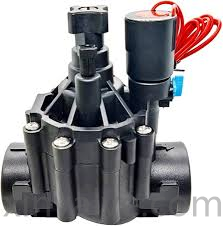
Low-voltage control systems are widely used in compact electronic equipment where electrical integration and efficient component design are important. A 6v Solenoid Valve operates through an electromagnetic actuator designed around a low-voltage electrical input, connecting the control circuit with a mechanical fluid-regulation mechanism. Zhejiang Fuxin Electrical Technology Co., Ltd. develops solenoid valve solutions with attention to coil design, magnetic circuits, insulation, sealing performance, precision machining, and assembly consistency.
The coil is particularly important in a low-voltage actuator because the electrical design must generate sufficient magnetic force from the available input conditions. Copper wire selection, winding arrangement, resistance, insulation, and bobbin geometry all influence the relationship between electrical input and electromagnetic output. Consistent winding processes can help maintain predictable electrical characteristics across production batches.
The magnetic circuit works together with the coil to convert electrical energy into mechanical movement. The magnetic core and armature require suitable magnetic properties, while their dimensions determine the shape and efficiency of the magnetic path. Air-gap geometry also influences the available force. Precision machining and controlled assembly help ensure that the core and armature remain correctly aligned during operation.
Electrical insulation is another important consideration for low-voltage components. The winding needs appropriate insulation between conductive turns, while connections must be securely assembled. Depending on the valve structure, protective materials or encapsulation may help shield electrical components from environmental exposure. Manufacturing inspection can verify continuity, resistance, and connection integrity before final functional testing.
Mechanical movement must be coordinated with the electromagnetic design. The armature or plunger travels through a guide and interacts with the valve's sealing mechanism. Excessive friction can reduce actuation efficiency, while inappropriate clearance can affect movement stability. Controlled tolerances and suitable surface finishes help establish a reliable mechanical relationship between the actuator and valve body.
The hydraulic section requires independent attention. A diaphragm, plunger, gasket, or other sealing structure controls the water passage according to the actuator movement. Sealing materials should be selected according to water compatibility, temperature, pressure, compression behavior, and expected operating cycles. The valve seat also needs appropriate dimensional accuracy to support consistent contact between the sealing surfaces.
Internal flow geometry influences the overall hydraulic response. Inlet and outlet passages, orifices, channels, and valve-seat structures should be coordinated with the sealing mechanism. A suitable flow path can provide controlled fluid movement while limiting unnecessary restrictions. System designers should also consider the conditions surrounding the valve because upstream pressure and downstream resistance influence the actual fluid behavior.
Electronic integration is especially relevant to low-voltage applications. The valve may be controlled by sensors, microcontrollers, timers, or other electronic devices. The electrical interface should therefore be compatible with the wider control system. Stable connections and predictable actuator behavior help ensure that the electronic command is translated into the expected mechanical state.
Compact construction is often another advantage of low-voltage water-control applications. The valve may need to fit inside appliances, automated fixtures, dispensers, or other equipment with restricted installation space. Engineers must balance external dimensions with internal clearance, coil placement, electrical insulation, sealing access, and water connections. Efficient structural design can simplify system integration without compromising essential functions.
Manufacturing quality control can verify the interaction of these different components. Incoming materials can be inspected for conformity, coil assemblies can undergo electrical checks, and machining operations can be monitored for critical dimensions. Final assembly can include inspection of seals, armature movement, electrical connections, and internal cleanliness. Leakage and functional testing can then evaluate the completed valve under its intended operating conditions.
For manufacturers integrating low-voltage electronic water-control systems, selecting a 6v Solenoid Valve requires attention to coil characteristics, magnetic circuit design, electrical insulation, sealing materials, hydraulic geometry, and manufacturing consistency. Zhejiang Fuxin Electrical Technology Co., Ltd. combines these considerations in its solenoid valve production for sanitary and water-control applications, with related product information available at https://www.fuxinvalve.com/product/sanitary-ware-solenoid-valves/.
 Portuguese
 English
 Arabic
 French
 Spanish
 Deutsch
 Turkish
 Dutch
Dutch
 Italiano
 Russian
 Romaian
 Portuguese (Brazil)
 Greek
Greek