


The Tiers of Influence: Deconstructing the Global Strategy Consulting Market Share
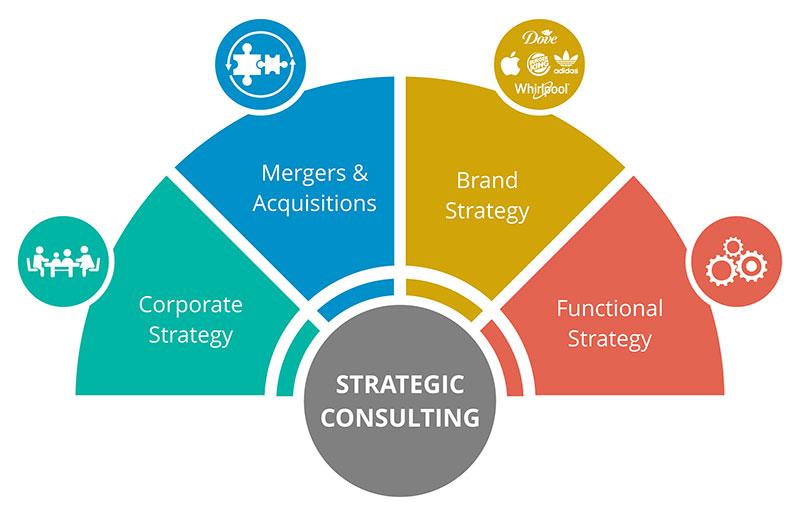
The global strategy consulting market, while vast, is not a monolithic entity; its market share is highly concentrated and can be understood as a tiered structure, each with distinct characteristics and competitive dynamics. At the apex are the firms collectively known as "MBB," which stands for McKinsey & Company, Boston Consulting Group (BCG), and Bain & Company. These three firms are almost universally recognized as the most prestigious and command a disproportionately large share of the high-end, pure strategy segment of the market. While their overall revenue might be smaller than some of the larger, more diversified firms, their influence and brand equity are unparalleled. The Strategy Consulting Market Share held by the MBB is a testament to their deep-seated relationships with C-suite executives of Fortune 500 companies, their ability to attract the absolute top-tier talent from elite universities, and their reputation for tackling the most complex and ambiguous strategic challenges. They are the standard-bearers of the industry, setting the bar for intellectual rigor, professional standards, and, notably, pricing. Their dominance in the boardroom ensures that they remain the most influential players, despite the market's increasing fragmentation.
The MBB's dominance in the pure strategy segment is built on several key pillars that reinforce their market position. First is their legacy and brand. McKinsey, founded in 1926, and its younger peers have decades of experience advising the world's most successful companies, creating a powerful track record and an alumni network that permeates the highest levels of global business and government. This network provides unparalleled access and a self-reinforcing cycle of new business. Second is their focus on thought leadership. These firms invest heavily in research and publish extensively in prestigious outlets, shaping management thinking and creating the frameworks that the rest of the industry often follows. This establishes them as the intellectual leaders in the field. Third is their rigorous talent model, which, while demanding, ensures a consistently high caliber of analytical and problem-solving skills on every project team. Clients are not just hiring a firm; they are hiring a guarantee of intellectual horsepower. While other firms may compete on price or scale, the MBB firms compete on prestige and a reputation for delivering breakthrough insights, allowing them to maintain their hold on the most lucrative and high-impact strategic advisory work available in the market.
Occupying the next tier and representing a massive portion of the overall consulting market share are the strategy arms of the "Big Four" accounting and professional services firms: Deloitte (with its Monitor Deloitte practice), PwC (with Strategy&), EY (with EY-Parthenon), and KPMG. These firms have aggressively expanded into strategy consulting, often through major acquisitions of established strategy houses (e.g., PwC's acquisition of Booz & Company to form Strategy&). Their primary competitive advantage is their immense scale, global reach, and their ability to offer clients a fully integrated, "end-to-end" solution. Unlike the MBB, which have traditionally focused on high-level strategy, the Big Four can seamlessly combine strategic advice with their deep capabilities in technology implementation, tax, audit, risk management, and human capital consulting. This one-stop-shop approach is highly appealing to clients who are looking not just for a strategy but for a partner to help them execute it at scale. Their vast client base from their audit and tax businesses also provides a powerful channel for cross-selling strategy services, allowing them to compete for a broader range of projects and clients than the more narrowly focused MBB.
Beyond the MBB and the Big Four, the market share is fragmented among a diverse array of other significant players. Technology-centric consulting firms, with Accenture being the most prominent example, have built formidable strategy practices that are deeply rooted in their technology and digital transformation expertise. They lead with a technology-first approach to strategy, which resonates strongly with clients in today's digital world. Another important segment is composed of numerous boutique consulting firms. These firms are typically smaller and specialize in a particular industry (e.g., healthcare, financial services) or functional area (e.g., pricing, supply chain). They compete by offering deeper, more specialized expertise and a more personalized service model than their larger, more generalist competitors. Finally, the rise of independent consultant networks and expert platforms like Catalant and Toptal is also beginning to capture a sliver of the market, particularly for smaller, well-defined projects. These platforms offer clients a flexible and cost-effective way to access high-caliber talent, often former consultants from top firms, presenting a new competitive threat to the traditional firm-based model and further diversifying the market landscape.
Explore Our Latest Trending Reports:
Digital Evidence Management Market
Artificial Intelligence In Security Market

 Arabic
 French
 Spanish
 Portuguese
 Deutsch
 Turkish
 Dutch
Dutch
 Italiano
 Russian
 Romaian
 Portuguese (Brazil)
 Greek
Greek